
As the United States grapples with economic challenges, many Americans are expressing concerns about their financial stability. Recent data indicates a significant rise in inflation and energy costs, impacting households nationwide.
Inflation on the Rise
Inflation has reached 3.8% in April, marking its highest level in three years. This uptick is attributed to various factors, including increased energy prices and supply chain disruptions. Consumers are feeling the pinch as the cost of goods and services continues to climb.
Surge in Energy Prices
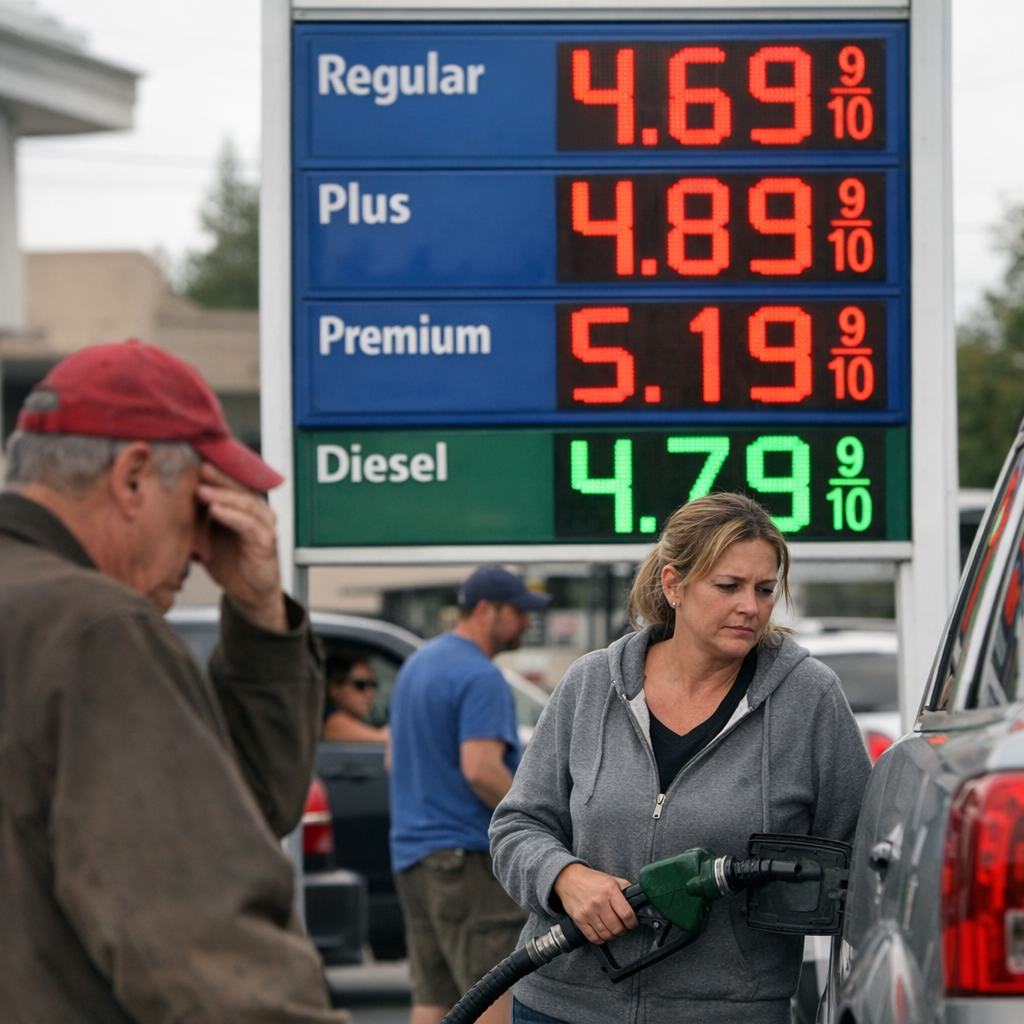
The ongoing military conflict with Iran has led to the closure of the Strait of Hormuz, a critical passage for global oil shipments. Consequently, energy costs have surged, with average gas prices exceeding $4.50 per gallon nationally, and some states witnessing prices above $5. This escalation has placed additional financial strain on households and businesses alike.
Public Sentiment and Economic Outlook
A recent CBS News/YouGov poll reveals deep public dissatisfaction with the current economic policies. The survey found that 70% of Americans feel “angry” or “frustrated” about the handling of the economy. Only 11% expressed enthusiasm, and 19% said they were satisfied. Economic anxiety has grown since the military conflict with Iran began in February, triggering a surge in energy costs due to the closure of the Strait of Hormuz. Average gas prices have exceeded $4.50 per gallon nationally, with some states seeing prices above $5. Inflation also rose to 3.8% in April, its highest in three years. This economic pressure has led to declining confidence in current policies, with 65% of respondents believing actions are worsening the economy short-term and 50% saying they’ll harm it long-term. Only 27% approve of the handling of inflation, while 77% say their incomes aren’t keeping pace with rising prices. The poll shows more Americans favor alternative economic approaches, compounding election worries for the current administration.
Local Impact in Minneapolis
In Minneapolis, residents are experiencing the effects of these national trends. The rise in energy costs has led to higher transportation expenses, affecting daily commutes and the cost of goods. Local businesses are also facing challenges as operational costs increase, potentially leading to higher prices for consumers.
Looking Ahead
As the nation navigates these economic uncertainties, policymakers are under pressure to address inflation and energy costs. Proposed measures include exploring alternative energy sources, implementing policies to stabilize the economy, and providing support to those most affected by the rising costs.
For Minneapolis residents, staying informed and proactive is essential. Engaging with community resources, seeking financial advice, and participating in local initiatives can help mitigate the impact of these economic challenges.