

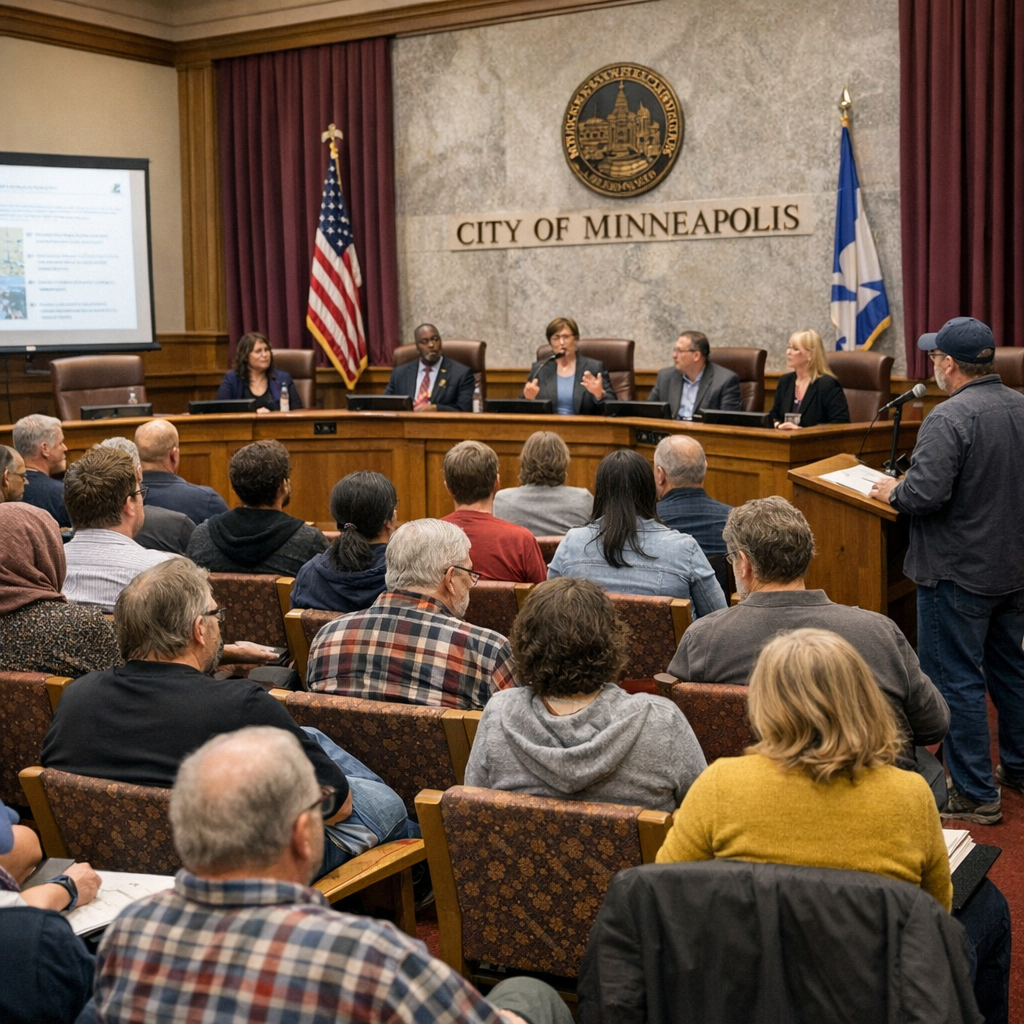
Minneapolis is grappling with the aftermath of Operation Metro Surge, a federal immigration enforcement initiative that has had profound economic and social impacts on the city. According to city officials, the operation resulted in an estimated $203.1 million in economic losses, affecting businesses, workers, and community services.
Economic Impact
The enforcement actions led to substantial financial setbacks:
- Business Revenue Losses: Local businesses and restaurants reported losses totaling $81 million, as patrons and employees avoided public spaces due to heightened enforcement activities.
- Wage Reductions: Workers, particularly those from immigrant communities, lost approximately $47 million in wages, fearing detention if they left their homes for work.
- Hospitality Sector Decline: Hotels experienced $4.7 million in cancellations, with projections indicating continued losses into the summer months.
These figures underscore the widespread economic disruption caused by the operation, affecting various sectors and communities across Minneapolis.
Social and Community Impact
Beyond the economic toll, the operation has had significant social repercussions:
- Food Insecurity: Approximately 76,200 residents faced food insecurity linked to the enforcement actions, necessitating an estimated $2.4 million per week to meet the increased demand for food assistance.
- Housing Instability: The city identified 35,000 low-income renter households struggling to afford rent, with an additional $15.7 million in rent assistance required due to lost income.
- Mental Health Strain: Over 8,700 school-age children were identified as needing mental health services, with service providers reporting a 50% reduction in client contact as families avoided public systems.
These challenges highlight the broader societal impact of the enforcement actions, affecting the well-being and stability of numerous Minneapolis residents.
City’s Response and Call for Assistance
In response to these challenges, city leaders are seeking significant funding assistance to address urgent humanitarian needs. Mayor Jacob Frey emphasized the city’s commitment to supporting impacted families and businesses, upholding its separation ordinance, maintaining transparency, and advancing recovery efforts across priority sectors.
The city is also collaborating with community organizations to provide immediate relief and develop long-term strategies to mitigate the effects of such operations in the future. This includes efforts to rebuild trust within affected communities and ensure that all residents feel safe and supported.
Community Resilience and Advocacy
Despite the hardships, Minneapolis residents and community leaders have demonstrated resilience and solidarity. Various organizations have mobilized to support those affected, offering resources and advocating for policy changes to prevent similar situations in the future.
As the city continues to navigate these challenges, the collective efforts of government officials, community organizations, and residents will be crucial in fostering recovery and ensuring the well-being of all Minneapolis residents.