
As the United States continues to navigate a complex political and economic landscape, several recent developments have garnered national attention.
Political Developments
Recent polling indicates a significant level of public concern regarding the nation’s political system. Approximately one-third of Americans identify politics and government as the country’s most pressing issues, a sentiment that surpasses that of most other wealthy democracies. This anxiety is particularly pronounced among older demographics, while younger Americans tend to focus more on economic challenges such as housing affordability and basic needs. This generational divide reflects broader global trends observed in other high-income countries facing similar economic pressures.
Economic Outlook
The U.S. economy has shown signs of resilience, with the International Monetary Fund (IMF) projecting a growth rate of 2.4% in the fourth quarter of 2026, up from 2.2% the previous year. Unemployment is expected to decrease from 4.5% in late 2025 to 4.1% in 2026, and inflation is anticipated to align with the Federal Reserve’s 2% target by 2027. However, the IMF has also highlighted potential risks associated with rising federal budget debts, which could pose stability challenges in the future.
Implications for Minneapolis
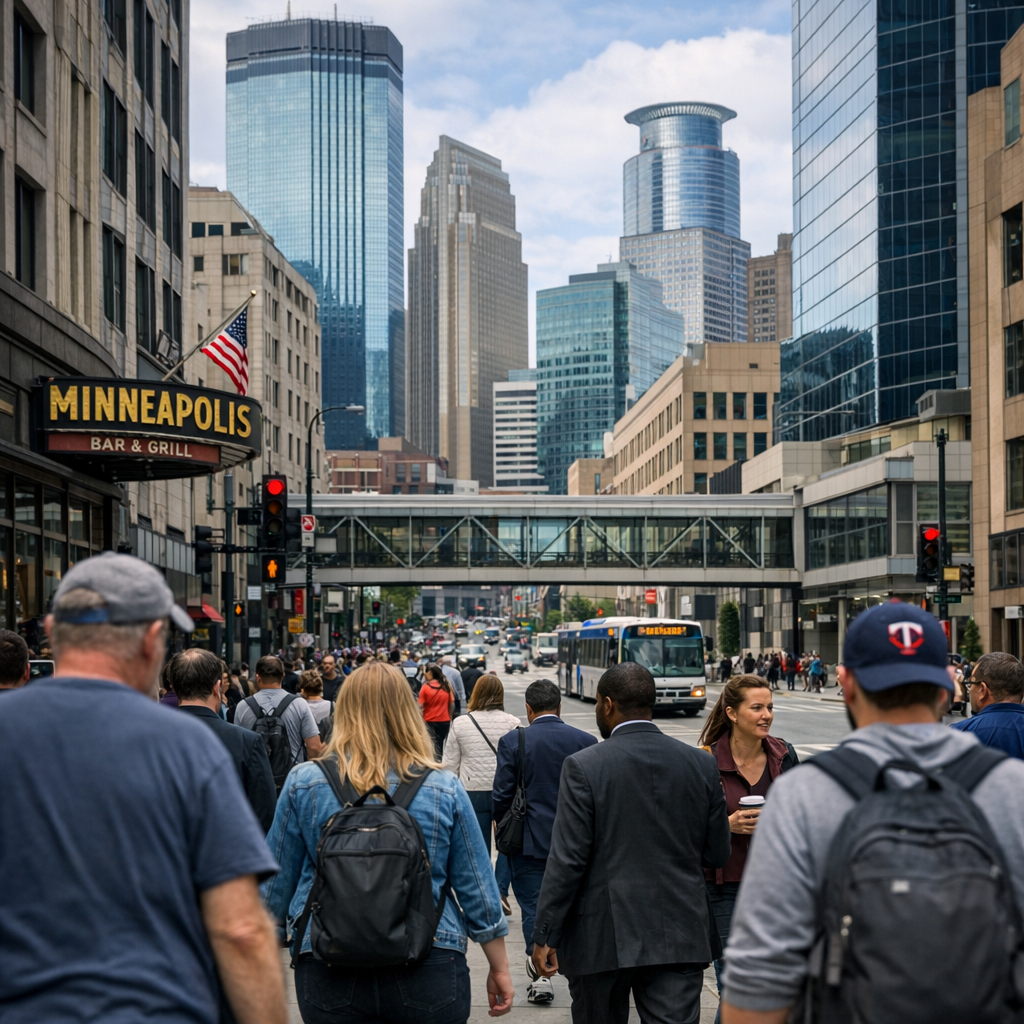
For residents of Minneapolis, these national trends have tangible local implications. The heightened political anxiety may influence voter engagement and participation in upcoming elections, while economic projections could impact local job markets and business investments. Staying informed about these developments is crucial for understanding their potential effects on our community.
As the nation continues to address these challenges, it remains essential for citizens to engage with and understand the evolving political and economic dynamics that shape our daily lives.