

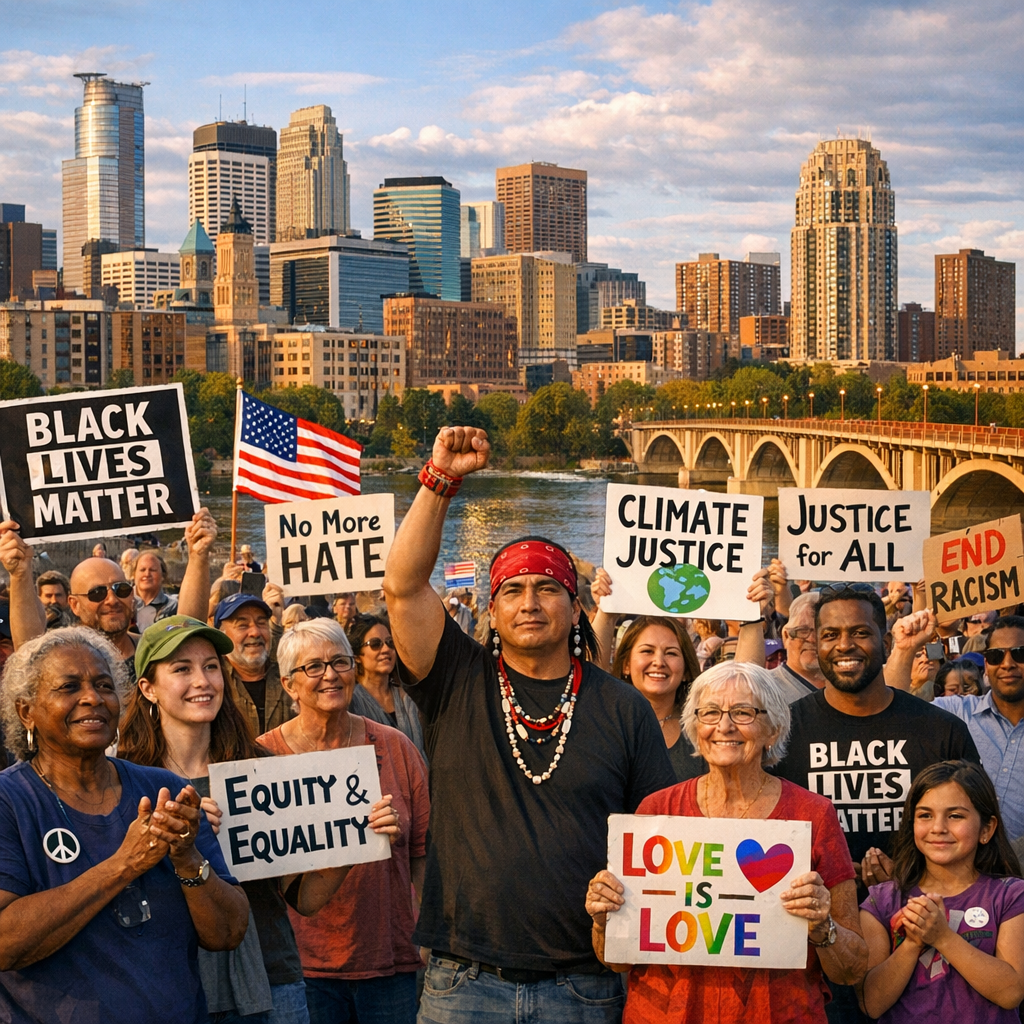
Operation Metro Surge, a large-scale federal immigration enforcement initiative, has had profound effects on Minneapolis, impacting the city’s economy, social fabric, and trust in law enforcement.
Economic Impact
According to a preliminary impact assessment by the City of Minneapolis, the operation resulted in at least $203.1 million in economic losses within a single month. This includes:
- $47 million in lost wages as residents avoided work due to safety concerns.
- $81 million in revenue losses for restaurants and small businesses.
- $4.7 million in hotel cancellations extending into the summer months.
Additionally, approximately 76,200 residents experienced food insecurity linked to the operation, with an estimated $2.4 million per week needed to meet citywide food assistance demand. Mental health services also saw a 50% reduction in client contact, as families avoided public systems.
Social and Community Impact
The operation disproportionately affected immigrants, refugees, American Indian/Native American, Black/African American, and other communities of color. The assessment estimates that 35,000 low-income renter households were already struggling to afford rent before the surge, with an additional $15.7 million in rent assistance now needed due to lost income.
Furthermore, a survey by the U.S. Immigration Policy Center at UC San Diego found that nearly 60% of Twin Cities residents reported decreased trust in local law enforcement following the operation. About 40% indicated they would be less likely to seek help from authorities in the future.
Moving Forward
In response to these challenges, Minneapolis city leaders are seeking significant funding assistance to address urgent humanitarian needs and support recovery efforts. The city remains committed to supporting impacted families and businesses, upholding its separation ordinance, maintaining transparency, and advancing recovery efforts across priority sectors.
As Minneapolis continues to navigate the aftermath of Operation Metro Surge, the resilience and unity of its residents will be crucial in rebuilding and strengthening the community.