

Recent developments in the United States have highlighted a complex interplay between economic challenges and political dynamics, affecting both national policy and public opinion.
Economic Pressures Intensify
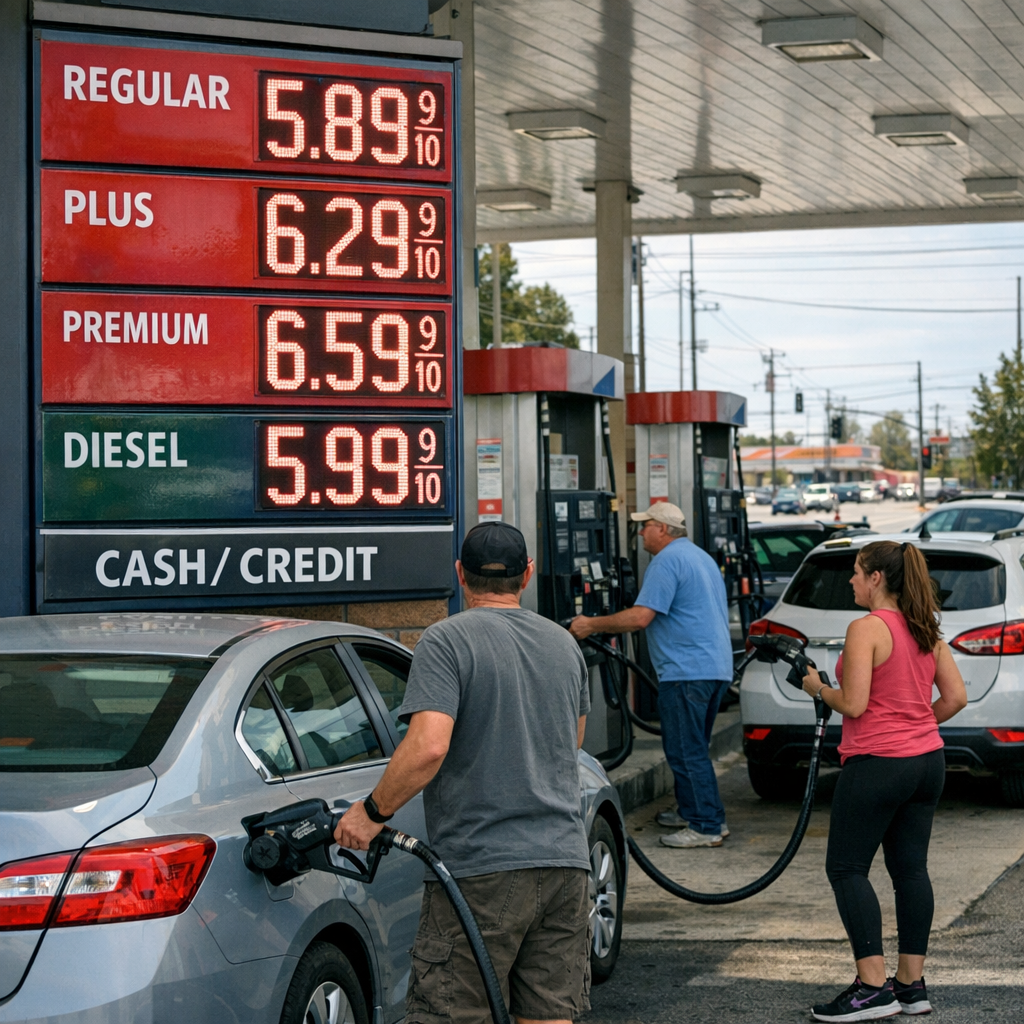
The U.S. economy is experiencing significant strain due to escalating energy costs and inflation. The military conflict with Iran, initiated in February, led to the closure of the Strait of Hormuz, a critical passage for global oil shipments. This disruption has caused a surge in energy prices, with national average gasoline prices exceeding $4.50 per gallon and some states reporting prices above $5. Inflation has also risen to 3.8% in April, marking the highest rate in three years. These economic pressures have contributed to growing public dissatisfaction with current economic policies.
Public Sentiment Reflects Economic Concerns
A recent CBS News/YouGov poll conducted between May 13-15 among 2,064 adults reveals deep public dissatisfaction with President Donald Trump’s economic policies. The survey found that 70% of Americans feel “angry” or “frustrated” about Trump’s handling of the economy. Only 11% expressed enthusiasm, and 19% said they were satisfied. Economic anxiety has grown since the military conflict with Iran began, triggering a surge in energy costs due to the closure of the Strait of Hormuz. Average gas prices have exceeded $4.50 per gallon nationally, with some states seeing prices above $5. Inflation also rose to 3.8% in April, its highest in three years. This economic pressure has led to declining confidence in Trump’s policies, with 65% of respondents believing his actions are worsening the economy short-term and 50% saying they’ll harm it long-term. Only 27% approve of his handling of inflation, while 77% say their incomes aren’t keeping pace with rising prices. The poll shows more Americans favor Democrats’ economic approach than Republicans’, compounding election worries for Trump’s party.
Political Implications and Policy Responses
In response to these economic challenges, the Trump administration has proposed a gasoline tax holiday to alleviate the financial burden on consumers. However, this proposal faces resistance from key Republicans concerned about cutting a major source of federal funding. Additionally, the administration’s approach to tariffs has been met with legal challenges. On February 20, the Supreme Court struck down President Trump’s reciprocal tariffs, injecting fresh uncertainty for consumers and businesses alike.
Looking Ahead
As the nation navigates these economic and political challenges, the interplay between policy decisions and public sentiment will be crucial in shaping the country’s trajectory. The upcoming midterm elections may serve as a referendum on current economic policies, with potential implications for both political parties.