

By Ava Garcia
It’s not a futuristic movie plot—artificial intelligence is woven into everyday life in Minneapolis, changing how we live, work, and connect. From dispatchers routing snowplows to seniors using voice assistants, the invisible impact of AI is growing fast.
What Minneapolis residents are already using
Smart devices are everywhere—roughly a third of U.S. adults now have smart speakers, and nearly one in five households use AI-enhanced security cameras or doorbells. Examples in our city include:
- Wearables and health tracking. Smartwatches are helping people monitor heart rate, stress, sleep patterns, and even irregularities that might trigger medical check-ins.
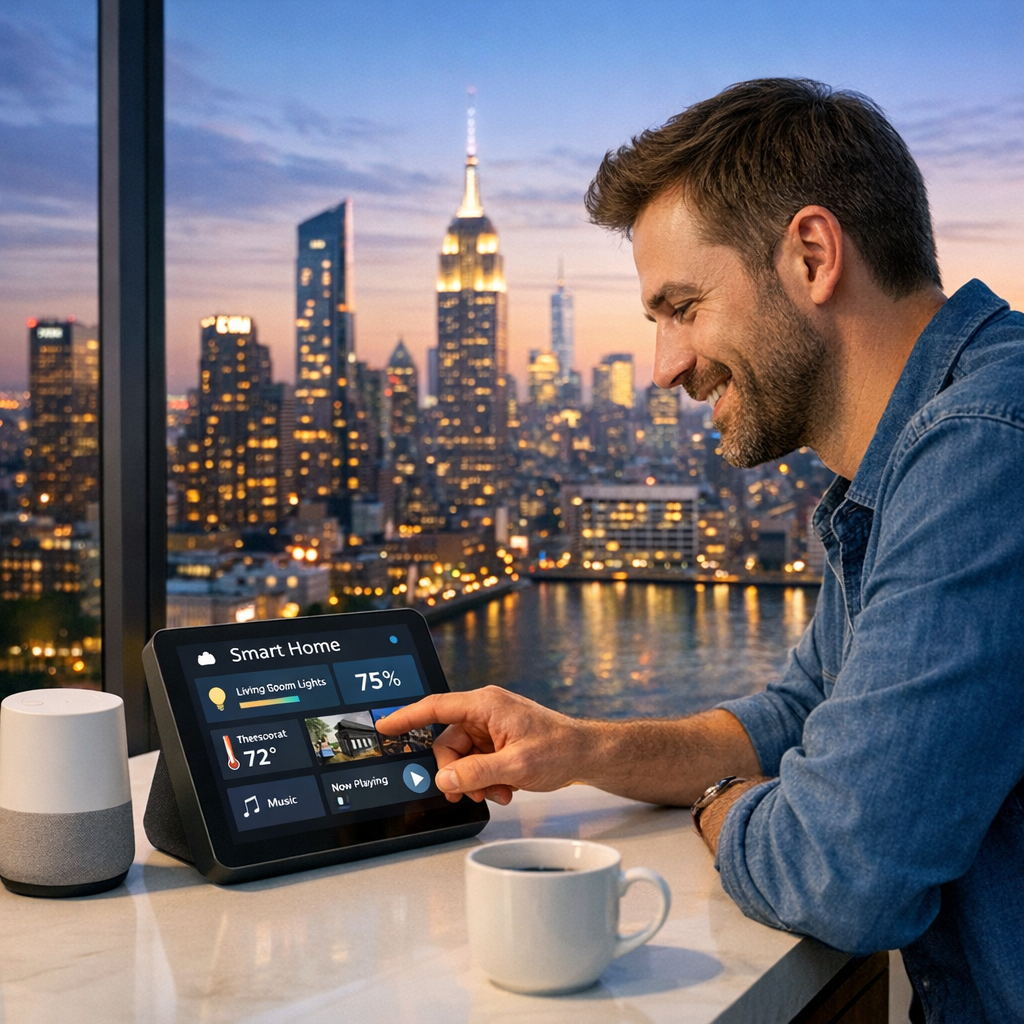
- Smart home systems. Thermostats, security cameras, and lights that learn your habits and adjust automatically are increasingly common, especially among folks who juggle work from home or have changing winter routines.
- Voice-activated assistants. Whether it’s asking for directions, checking weather alerts, ordering groceries, or setting reminders, many people rely on voice tools more than they realize.
How AI is shaping local startups and the economy
Minneapolis has become a notable Midwest tech hub. Startups here are doing exciting things—and many of them use AI in ways that impact daily life:
- Healthcare tech. Several health startups are integrating AI for remote monitoring, predictive analytics, and care coordination—to help people manage chronic conditions without always needing in-person visits.
- Fintech & data security. Companies using AI to detect fraud, secure transactions, and offer smarter financial guidance are gaining ground here.
- Workforce tools. Software that automates scheduling, tracks performance, or matches skills to jobs is helping both businesses and individual workers across the Twin Cities.
Everyday concerns: privacy, fairness, and awareness
As much as AI brings convenience, people in Minneapolis are grappling with new questions:
- Data privacy. Smart devices may listen, record, or collect environmental data. Residents are asking what happens to that data—and who can access it.
- Trust and transparency. Not everyone knows which tools use AI and what they’re accidentally sharing when they use them, from maps to shopping apps.
- Fairness and bias. If AI tools decide who qualifies for financial aid or whose neighborhood is prioritized for infrastructure, bias in those systems can reinforce inequalities.
Tips for navigating AI thoughtfully in Minneapolis
Here are steps local readers can take to use AI tools wisely:
- Learn what drives your gadgets. Check settings on smart devices, understand what’s stored locally vs. shared in the cloud.
- Support local AI ethics efforts. Minneapolis has organizations and advocacy groups focused on equitable technology. Engaging with public forums and city planning can make a difference.
- Pick tools that respect privacy. Look for devices that offer end-to-end encryption or local processing, and prioritize transparent policies and community input.
- Use AI to build community. From neighborhood safety tools to platforms for local artists, AI doesn’t have to just be personal—it can help bridge gaps between people and resources.
Looking ahead
The role of AI in Minneapolis will keep growing—through smarter infrastructure, evolving healthcare tech, and tools that help meet city challenges like climate resilience, transit, and equity. It’s not a question of if, but how thoughtfully—and inclusively—we build with these technologies so they work for all residents.