

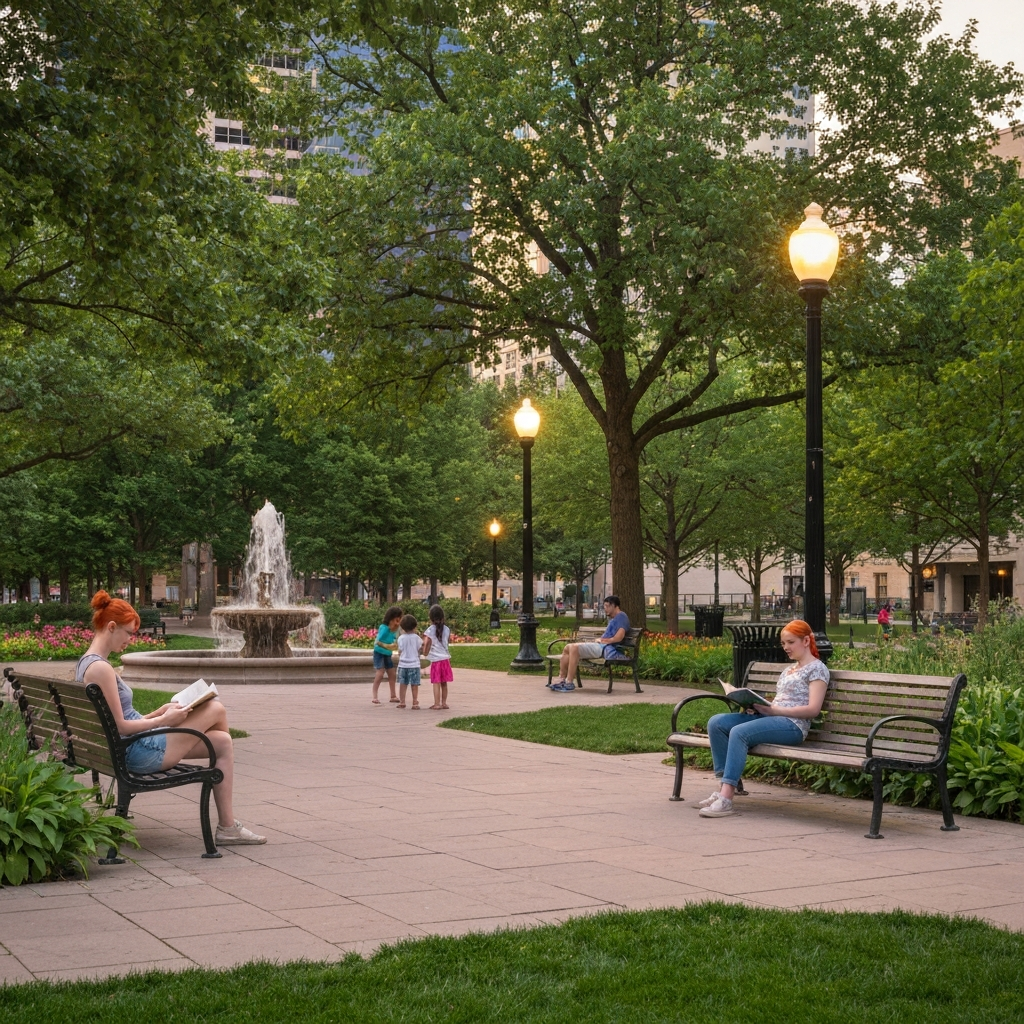
Urban heat islands (UHIs) occur when urban areas experience higher temperatures than their rural surroundings, primarily due to human activities and the prevalence of heat-absorbing surfaces like concrete and asphalt. In Minneapolis, addressing UHIs is a priority to enhance public health, environmental quality, and overall livability.
Understanding the Urban Heat Island Effect
UHIs result from the concentration of buildings, roads, and other infrastructure that absorb and re-emit the sun’s heat more than natural landscapes. This effect can lead to increased energy consumption, elevated emissions of air pollutants and greenhouse gases, and compromised human health and comfort.
Minneapolis’ Climate Equity Plan
In July 2023, the Minneapolis City Council unanimously passed the Climate Equity Plan, aiming to significantly reduce climate pollution by 2030 and achieve carbon neutrality by 2050. This plan emphasizes equitable solutions, particularly in historically underserved communities, to ensure all residents benefit from climate action initiatives. Learn more about the Climate Equity Plan.
Green Infrastructure Initiatives
To mitigate UHIs, Minneapolis has invested in green infrastructure projects that incorporate vegetation and permeable surfaces to manage stormwater and reduce heat. These projects include:
- Green Stormwater Infrastructure (GSI): Practices that capture and treat stormwater through infiltration, filtration, or detention, helping to cool urban areas and improve water quality.
- Sustainable Landscaping (SL): Initiatives that enhance green spaces, conserve energy and water, and provide habitats for local wildlife. Explore Minneapolis’ Green Infrastructure programs.
Community Engagement and Data Collection
In July 2024, over 200 volunteer community scientists participated in an urban heat island mapping campaign across Hennepin and Ramsey counties. Equipped with heat sensors, volunteers collected data to identify areas most affected by extreme heat. This information is crucial for targeting interventions and enhancing community resilience. Read about the Urban Heat Island Mapping initiative.
Tree Canopy Expansion
Recognizing the cooling benefits of trees, Minneapolis has partnered with organizations like Green Minneapolis to invest in expanding the urban tree canopy. In 2022, a $1 million investment was announced to plant and maintain trees in major heat-prone areas, focusing on the North and South Green Zones and Downtown. This effort aims to equalize tree canopy coverage and provide shade, thereby reducing UHI effects. Learn more about the tree canopy expansion.
Looking Ahead
Minneapolis continues to prioritize UHI mitigation through comprehensive planning, community engagement, and sustainable development. By integrating green infrastructure, expanding tree coverage, and leveraging community data, the city aims to create a cooler, healthier, and more equitable urban environment for all residents.