

As the United States grapples with economic challenges, rising inflation and escalating energy costs have become central concerns for policymakers and citizens alike.
Inflation and Public Sentiment
Recent data indicates a significant increase in inflation, with rates reaching 3.8% in April, the highest in three years. This surge has led to widespread public dissatisfaction. A CBS News/YouGov poll conducted from May 13-15 among 2,064 adults revealed that 70% of Americans feel “angry” or “frustrated” about the current economic situation. Only 11% expressed enthusiasm, and 19% reported satisfaction. Notably, 77% of respondents stated that their incomes aren’t keeping pace with rising prices, highlighting the financial strain on households.
Energy Costs and Economic Impact
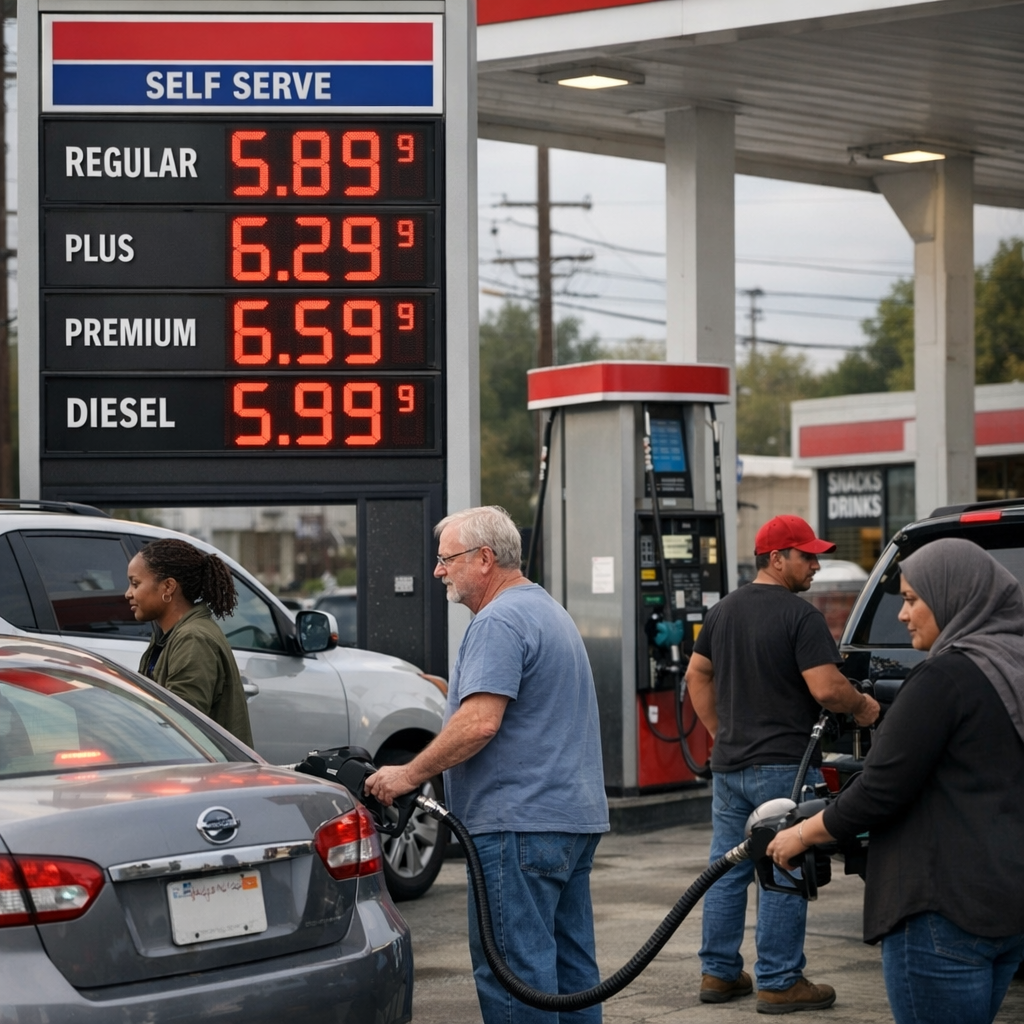
The military conflict with Iran, initiated in February, has significantly disrupted global energy markets. The closure of the Strait of Hormuz, a critical passage for oil shipments, has led to a surge in energy costs. National average gas prices have exceeded $4.50 per gallon, with some states experiencing prices above $5. This escalation has further strained household budgets and contributed to the overall economic anxiety.
Policy Responses and Debates
In response to these economic pressures, the Federal Reserve has signaled continued support by maintaining lower interest rates. However, this approach has sparked debates among policymakers. Some argue that sustained low rates could lead to persistent inflation and financial instability, while others believe it’s necessary to support economic growth during uncertain times.
Looking Ahead
As the nation navigates these economic challenges, the interplay between inflation, energy costs, and policy decisions will be crucial in shaping the financial well-being of Americans. Staying informed and engaged with these developments is essential for understanding the broader economic landscape.