
As the nation grapples with economic challenges, recent developments have heightened concerns about financial stability and the effectiveness of current policies.
Public Sentiment on Economic Policies
A recent CBS News/YouGov poll indicates significant public dissatisfaction with the administration’s economic policies. Conducted among 2,064 adults from May 13-15, the survey reveals that 70% of Americans feel “angry” or “frustrated” about the handling of the economy. Only 11% expressed enthusiasm, and 19% reported satisfaction. This growing discontent underscores the need for policy adjustments to address public concerns.
Inflation and Energy Costs
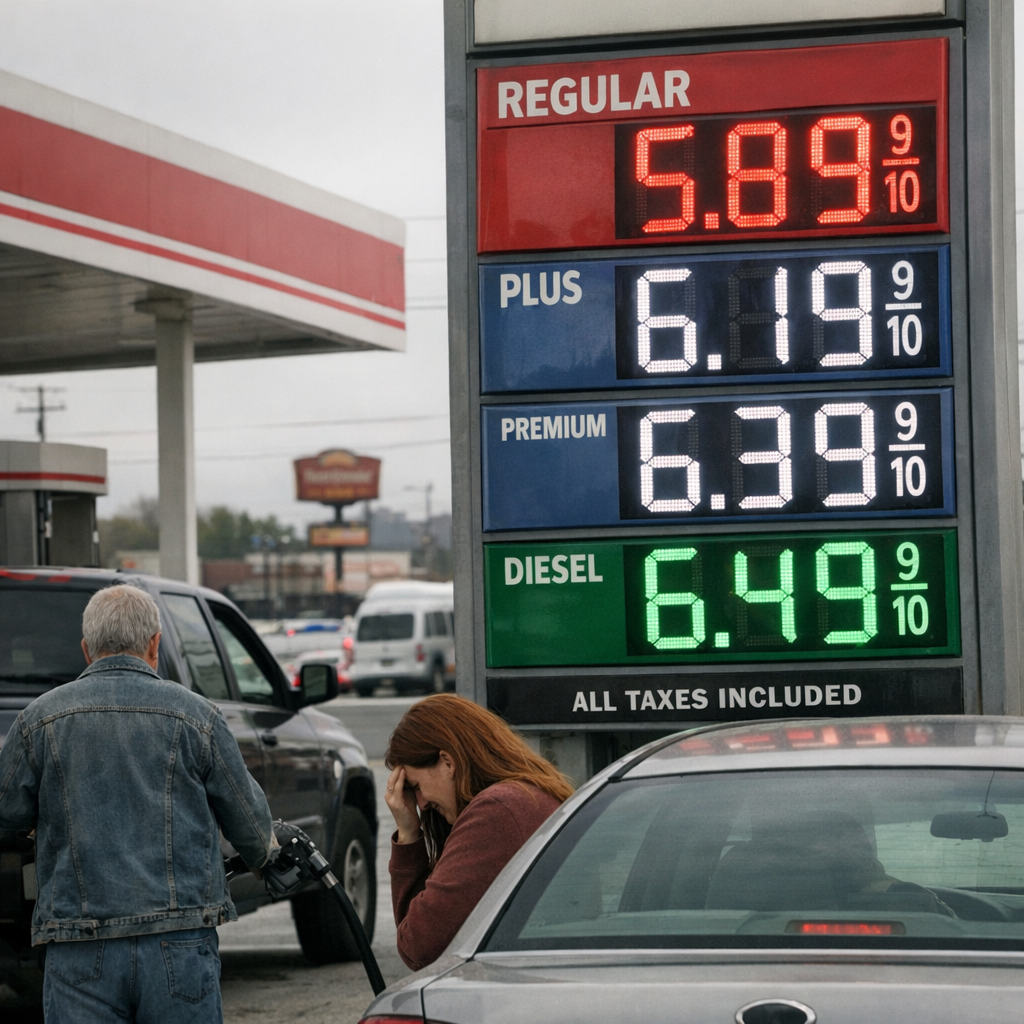
Economic anxiety has intensified following the military conflict with Iran that began in February, leading to a surge in energy costs due to the closure of the Strait of Hormuz. National average gas prices have exceeded $4.50 per gallon, with some states experiencing prices above $5. Inflation has also risen to 3.8% in April, marking its highest level in three years. These factors have contributed to declining confidence in economic policies, with 65% of poll respondents believing current actions are worsening the economy in the short term and 50% anticipating long-term harm.
Policy Responses and Public Perception
In response to these challenges, the administration has proposed measures such as a gasoline tax holiday to alleviate financial burdens on consumers. However, this proposal faces resistance from key lawmakers concerned about its impact on federal funding. Additionally, the Environmental Protection Agency has proposed delaying enforcement of vehicle pollution regulations, aiming to balance environmental goals with economic realities. These policy debates highlight the complexities of addressing economic issues while maintaining public trust and environmental commitments.
Looking Ahead
As the nation approaches the midterm elections, economic concerns are likely to play a pivotal role in shaping voter sentiment. Policymakers must navigate these challenges carefully, balancing immediate relief measures with long-term strategies to ensure economic stability and growth. The coming months will be crucial in determining the effectiveness of these efforts and their impact on the nation’s economic trajectory.