
As the United States grapples with rising inflation and evolving political dynamics, understanding the broader economic landscape becomes crucial for communities like ours in Minneapolis.
Inflation and Economic Indicators
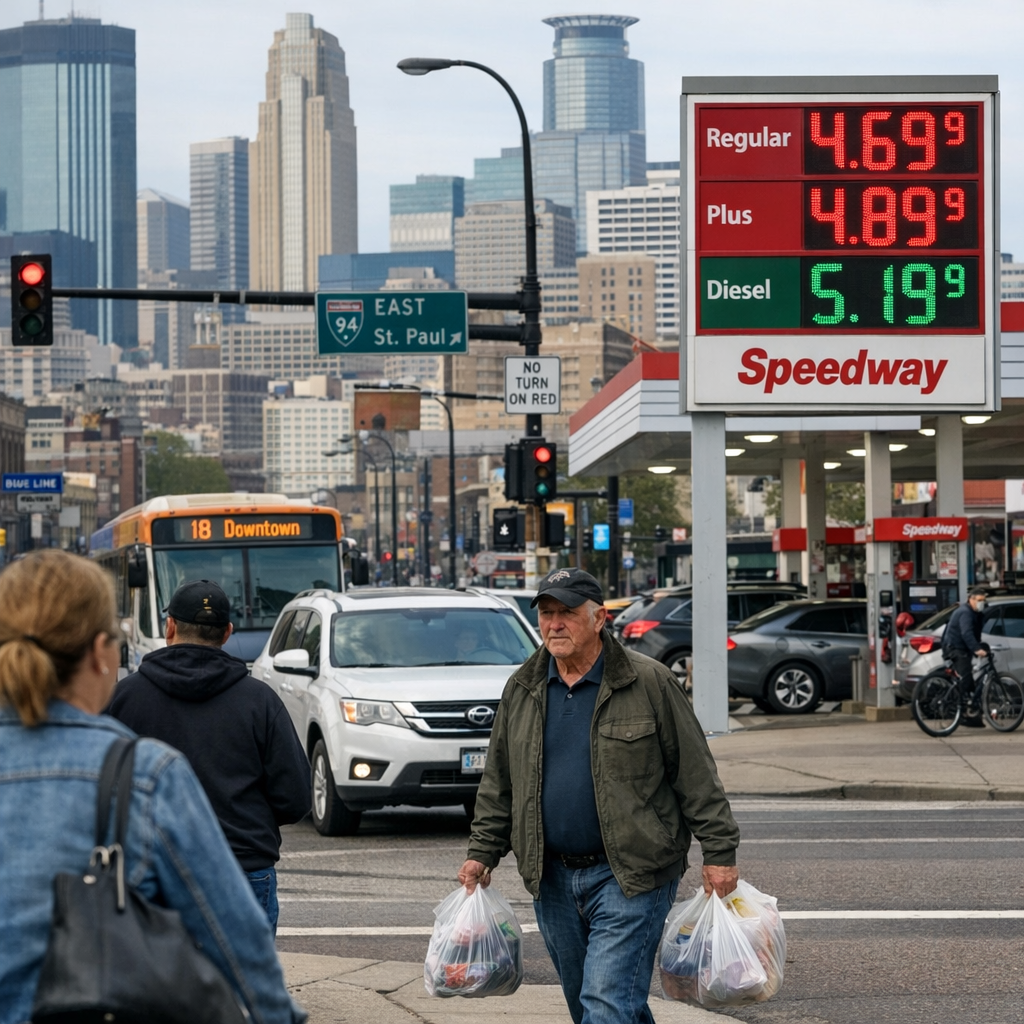
Recent reports indicate a surge in inflation, with rates reaching 3.8% in April. This uptick is largely attributed to ongoing geopolitical tensions, notably the conflict in the Middle East, which has disrupted energy markets and trade routes. Consequently, gas prices have soared above $4.50 per gallon, placing additional financial strain on households. Moreover, for the first time in three years, wage growth has lagged behind inflation, diminishing the purchasing power of many Americans. This economic squeeze has led to increased reliance on credit and a notable decline in consumer confidence. Small business optimism has also waned, reaching its lowest point since before President Trump’s reelection.
Political Landscape and Economic Policies
In response to these economic challenges, the Trump administration has emphasized strategies such as tax cuts, deregulation, and bolstering energy independence. However, public sentiment reflects growing dissatisfaction, with a CNN poll revealing that 70% of Americans disapprove of the administration’s economic management. This discontent poses significant political risks, especially with upcoming midterm elections where Democrats currently lead the generic House ballot by a substantial margin.
Local Implications
For Minneapolis residents, these national trends have tangible effects. Elevated gas prices and inflationary pressures impact daily expenses, from commuting costs to grocery bills. Small businesses, integral to our community’s fabric, face challenges in maintaining operations amidst declining consumer spending and confidence. Staying informed about these developments is essential, as they influence both our local economy and the broader national context.
As we navigate these uncertain times, understanding the interplay between national policies and local realities will empower us to make informed decisions and advocate effectively for our community’s needs.