

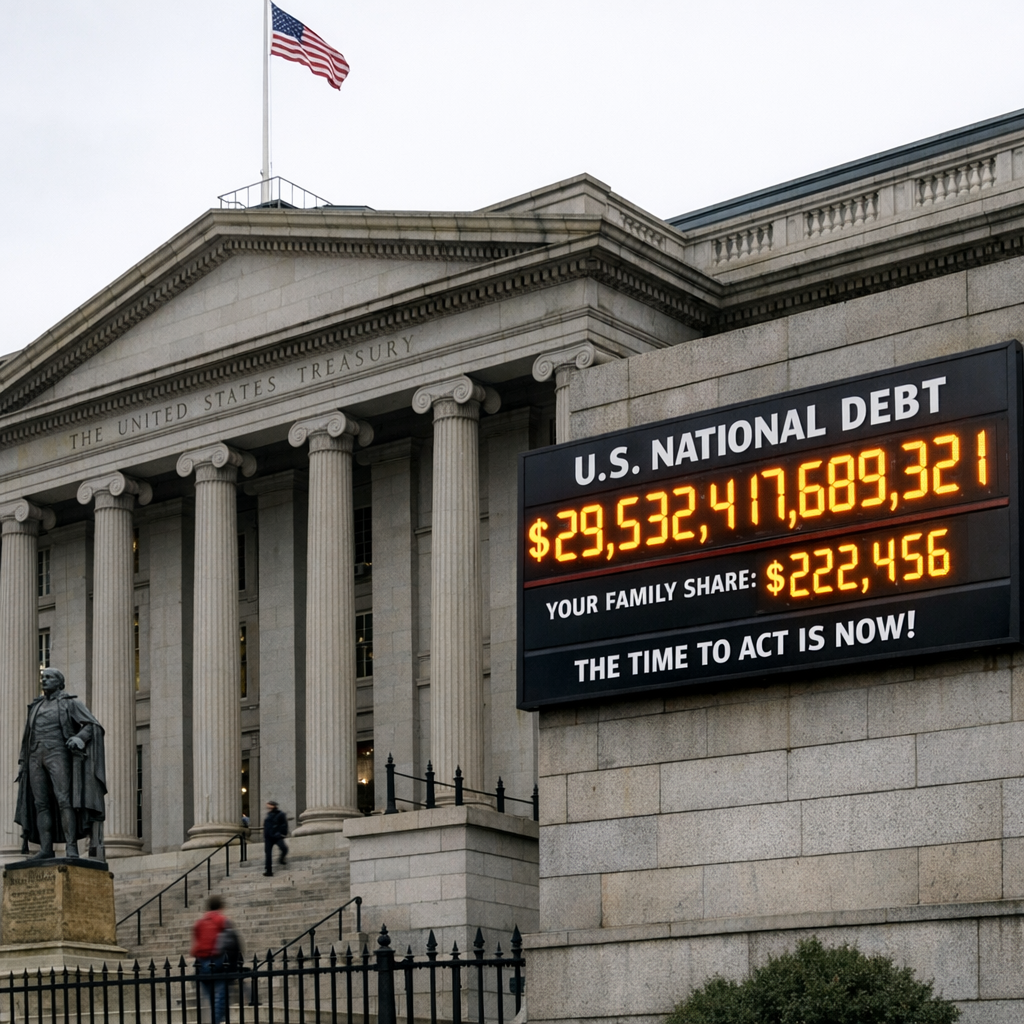
The United States economy stands at a crossroads, grappling with the dual challenges of sustaining growth while managing an escalating national debt. This delicate balance has significant implications for both policymakers and citizens.
Current Economic Landscape
Recent data indicates a buoyant U.S. economy, with the International Monetary Fund projecting a 2.4% growth in gross domestic product for the fourth quarter of 2026. Unemployment rates are also expected to decline, reaching 4.1% by the end of the year. However, these positive indicators are tempered by concerns over the nation’s fiscal health.
Rising National Debt: A Growing Concern
As of January 2026, the U.S. national debt has surpassed $38 trillion. BlackRock CEO Larry Fink has highlighted the potential risks associated with this mounting debt, emphasizing that markets may be underestimating the moment when fiscal policy becomes a major problem. The increasing debt levels elevate interest costs, threaten investor confidence, and could trigger rapid shifts in borrowing costs.
Implications for the Average American
For residents of Minneapolis and across the nation, the rising national debt could have tangible effects. Higher borrowing costs may lead to increased interest rates on mortgages and personal loans, affecting household budgets. Additionally, if investor confidence wanes, it could result in market volatility, impacting retirement savings and investment portfolios.
Policy Considerations
Addressing the national debt requires a multifaceted approach. Policymakers must consider strategies to stimulate economic growth while implementing fiscal discipline to manage debt levels. This includes evaluating spending priorities, exploring avenues for revenue generation, and fostering an environment conducive to sustainable economic expansion.
Conclusion
While the U.S. economy shows signs of strength, the rising national debt presents a formidable challenge. It is imperative for both policymakers and citizens to remain informed and engaged, ensuring that economic growth is balanced with fiscal responsibility to secure a stable financial future for the nation.