

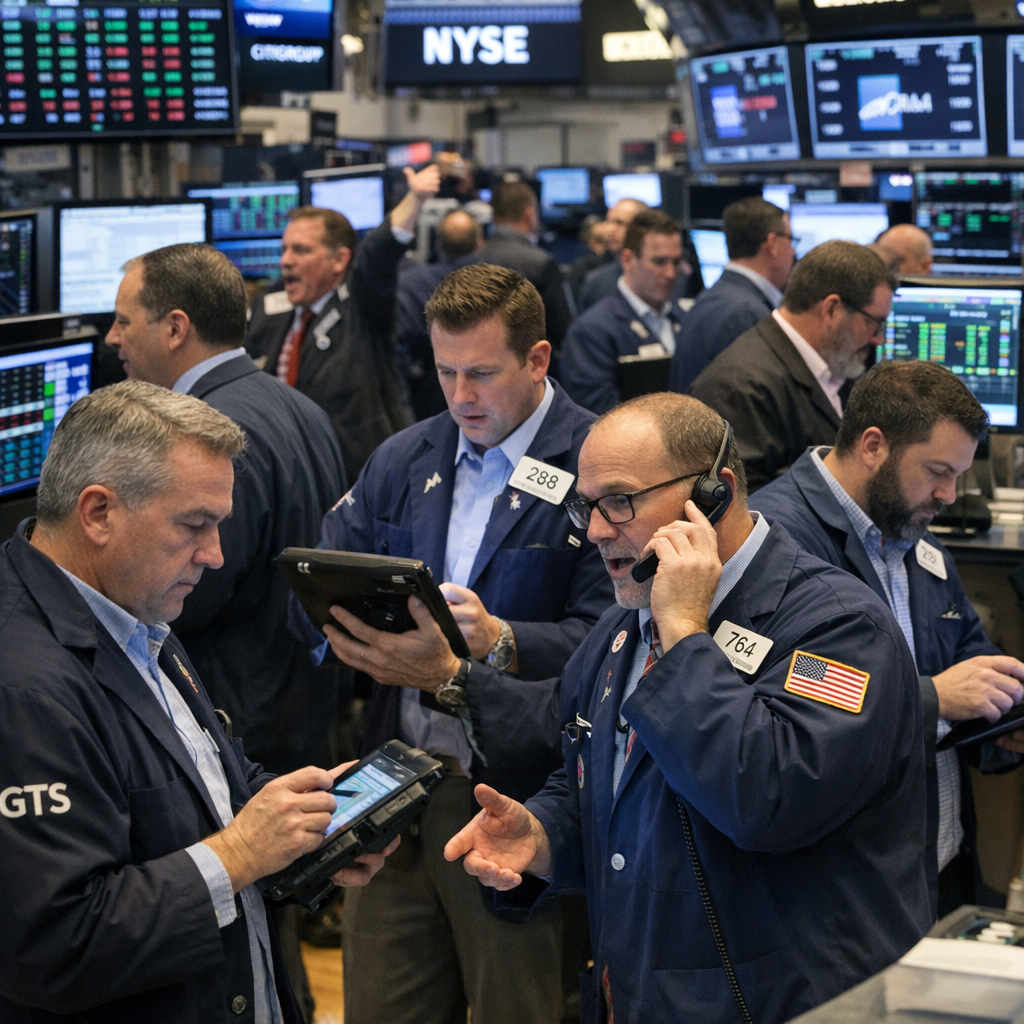
The U.S. economy is currently experiencing a complex interplay of factors affecting growth, inflation, and employment. Understanding these elements is crucial for both policymakers and the public.
Economic Growth and Inflation
Recent data indicates that while the economy is expanding, the pace has been slower than anticipated. The International Monetary Fund projects global growth to slow to 3.1% in 2026, with inflation expected to rise to 4.4% before declining in 2027. This slowdown is largely attributed to ongoing geopolitical tensions, particularly in the Middle East, which have disrupted energy markets and trade routes. Emerging markets and developing economies, especially those reliant on commodity imports, are facing significant challenges due to these disruptions.
Labor Market Dynamics
The labor market presents a mixed picture. While job creation continues, the rate has decelerated, and wage growth is not keeping pace with inflation. This stagnation affects consumer purchasing power and overall economic sentiment. Additionally, certain sectors are experiencing labor shortages, complicating recovery efforts.
Federal Reserve’s Role
The Federal Reserve plays a pivotal role in navigating these economic challenges. With the recent confirmation of Kevin Warsh as the 17th Chair of the Federal Reserve, the central bank faces the task of balancing inflation control with economic growth. Warsh’s leadership comes at a critical time, as the Fed must address public discontent with the economy and unprecedented attacks on its independence.
Impact of Tariffs and Trade Policies
Trade policies continue to influence the economic landscape. President Donald Trump’s administration has implemented sweeping tariffs affecting numerous trade partners. However, a recent Supreme Court ruling struck down these reciprocal tariffs, introducing new uncertainties for consumers and businesses. The ruling underscores the complexities of trade policy and its far-reaching implications.
Conclusion
As the U.S. economy navigates these multifaceted challenges, staying informed about policy decisions, global events, and market trends is essential. Understanding the interconnectedness of these factors will aid in making informed decisions in an ever-evolving economic environment.