

As the United States approaches the 2026 midterm elections, the political and economic landscape is undergoing significant transformations. These changes are poised to influence both national policies and local communities, including those in Minneapolis.
Redistricting and Its Implications
Recent redistricting efforts have reshaped the political map across several states. In North Carolina’s Triangle region, for instance, a new Republican-leaning congressional district was established, consolidating GOP control despite the state’s nearly even partisan split. This move reflects a broader trend of strategic redistricting that could impact the balance of power in Congress.
Economic Challenges Amid Global Tensions
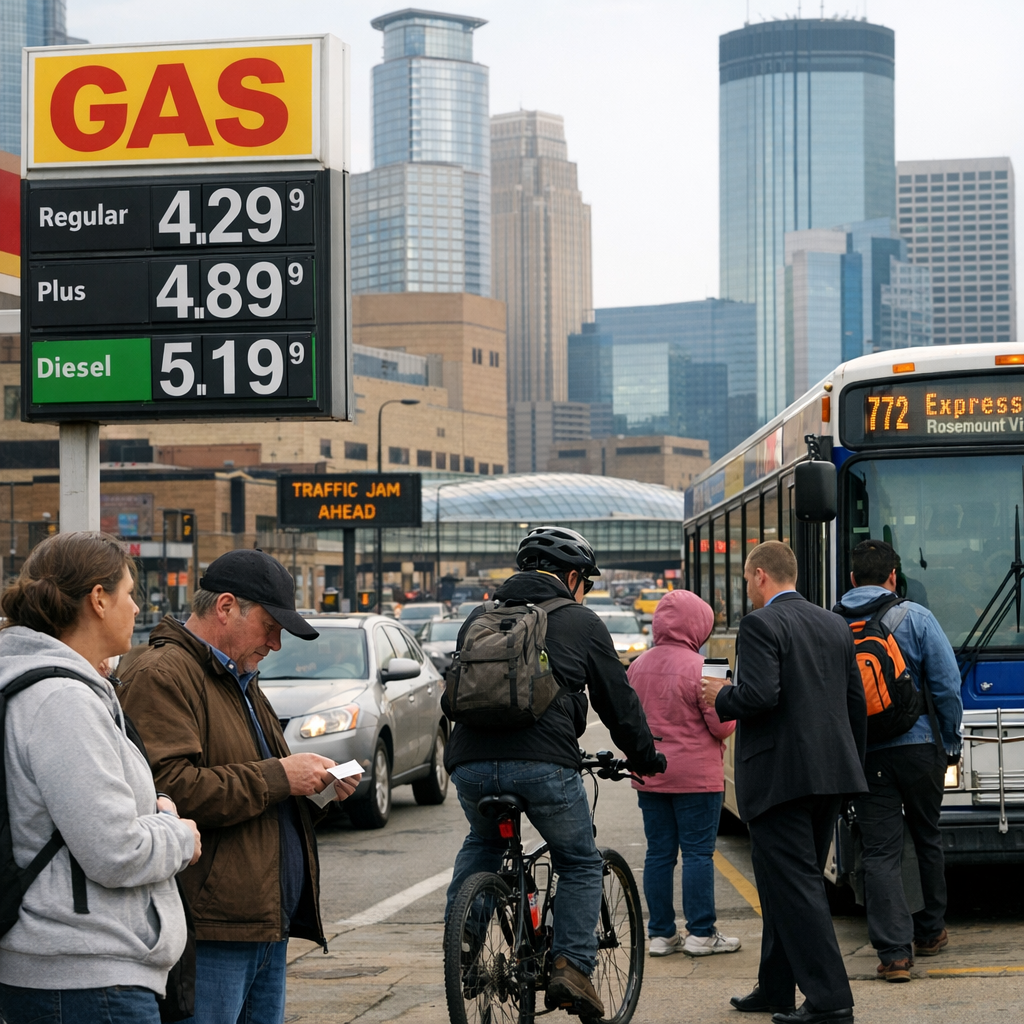
The U.S. economy is facing headwinds due to various factors, including international conflicts. The ongoing military engagement with Iran has led to a surge in energy costs, with national average gas prices exceeding $4.50 per gallon. This increase has contributed to a rise in inflation, which reached 3.8% in April, marking a three-year high. Such economic pressures are affecting households nationwide, including those in Minneapolis.
Public Sentiment and Political Anxiety
Public confidence in the political system is notably low. A Gallup poll indicates that about one-third of Americans view politics and government as the nation’s most pressing issues. This level of concern is higher than in most other wealthy democracies, highlighting a unique challenge within the U.S. political landscape.
Local Impact and Community Response
For residents of Minneapolis, these national developments have tangible local effects. Rising fuel prices can strain household budgets, while political shifts may influence local governance and community initiatives. Staying informed and engaged is crucial as these changes unfold.
Understanding the interplay between national policies and local realities is essential for navigating the evolving political and economic environment. By staying informed and proactive, communities can better adapt to these changes and advocate for their interests.