
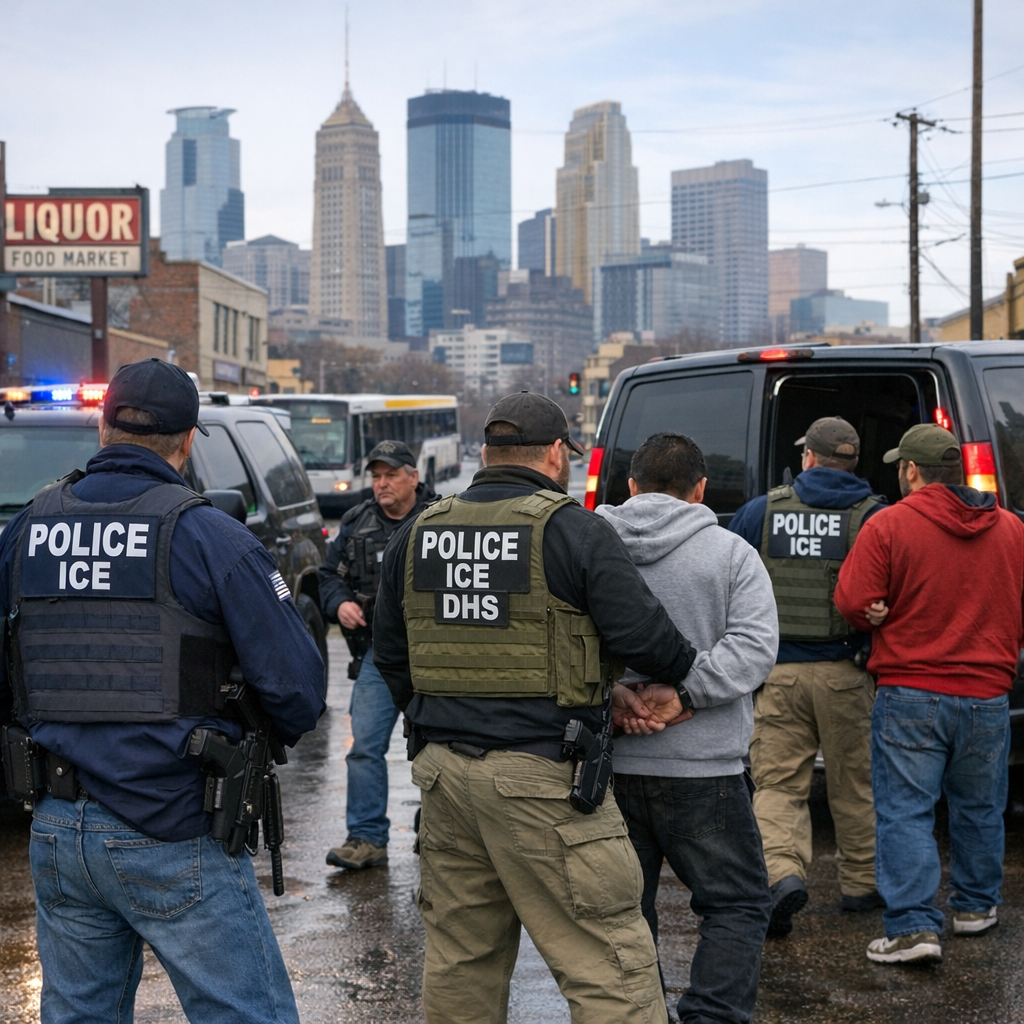
In recent months, Minneapolis has found itself at the center of a significant federal immigration enforcement initiative known as Operation Metro Surge. This operation, which began in December 2025, involved the deployment of approximately 3,000 federal agents to the Twin Cities area, marking one of the largest immigration enforcement actions in U.S. history.
Local Impact and Community Response
The presence of such a substantial federal force has had profound effects on our community. Reports indicate that the operation led to over 4,000 arrests, sparking widespread protests and raising concerns about civil liberties and community safety. Tragically, two U.S. citizens, Renee Good and Alex Pretti, lost their lives during encounters with federal agents, further intensifying public outcry and distrust toward federal immigration operations.
Local businesses and the events industry have also felt the repercussions. A preliminary city study estimated that the operation resulted in more than $203 million in economic damage to Minneapolis. The tourism sector, in particular, experienced significant disruptions, with numerous events being canceled or postponed due to safety concerns and decreased attendance.
Broader Implications
Operation Metro Surge has not only impacted Minneapolis but has also ignited a national conversation about immigration enforcement practices and their alignment with American values. The operation’s scale and the resulting community unrest have prompted discussions about the balance between national security and the protection of civil liberties.
As residents of Minneapolis, it’s crucial to stay informed about these developments and engage in constructive dialogue about the future of immigration policies and their implementation. Understanding the local impact of global events empowers us to advocate for policies that reflect our community’s values and promote inclusivity and justice.