
In recent months, Minneapolis has been at the center of a significant federal immigration enforcement initiative known as Operation Metro Surge. This operation, which began in December 2025, involved the deployment of thousands of federal agents to the Twin Cities area, aiming to intensify immigration enforcement efforts.
Economic Impact
The operation has had profound economic repercussions for Minneapolis. A preliminary city study estimated that the crackdown resulted in over $200 million in economic losses. Businesses across various sectors reported cancellations, reduced bookings, and a decline in customer traffic. For instance, the cycling industry trade show, Frostbike, scheduled for February 2026, was canceled due to concerns related to the enforcement activities. Additionally, a survey by Meet Minneapolis indicated that 80% of respondents experienced negative impacts, including staffing shortages and decreased sales.
Community Response
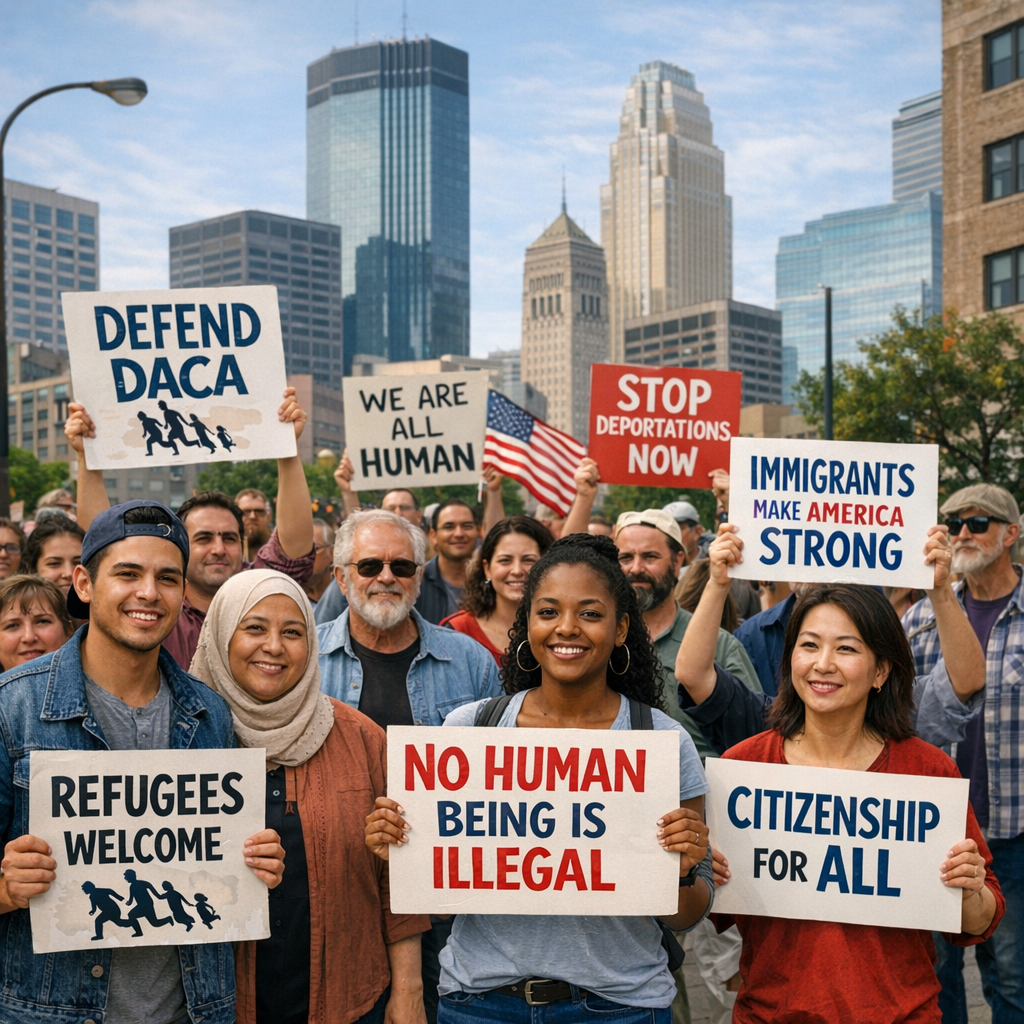
The local community responded with widespread protests and demonstrations. Notably, the fatal shootings of two U.S. citizens, Renee Good and Alex Pretti, by federal agents intensified public outcry and distrust toward federal immigration operations. Community organizations and residents mobilized to document government actions, support affected individuals, and advocate for policy changes. Religious institutions, such as St. Paul’s-San Pablo Lutheran Church, held services like the ‘Service of Lament and Hope’ to provide solace and solidarity to those affected.
Looking Ahead
As Operation Metro Surge concludes, Minneapolis faces the challenge of recovery and rebuilding trust within the community. The events have sparked discussions on immigration policy, law enforcement practices, and the balance between national security and civil liberties. Moving forward, it is crucial for local and federal authorities to engage in transparent dialogue with the community to address concerns and foster a more inclusive environment.