

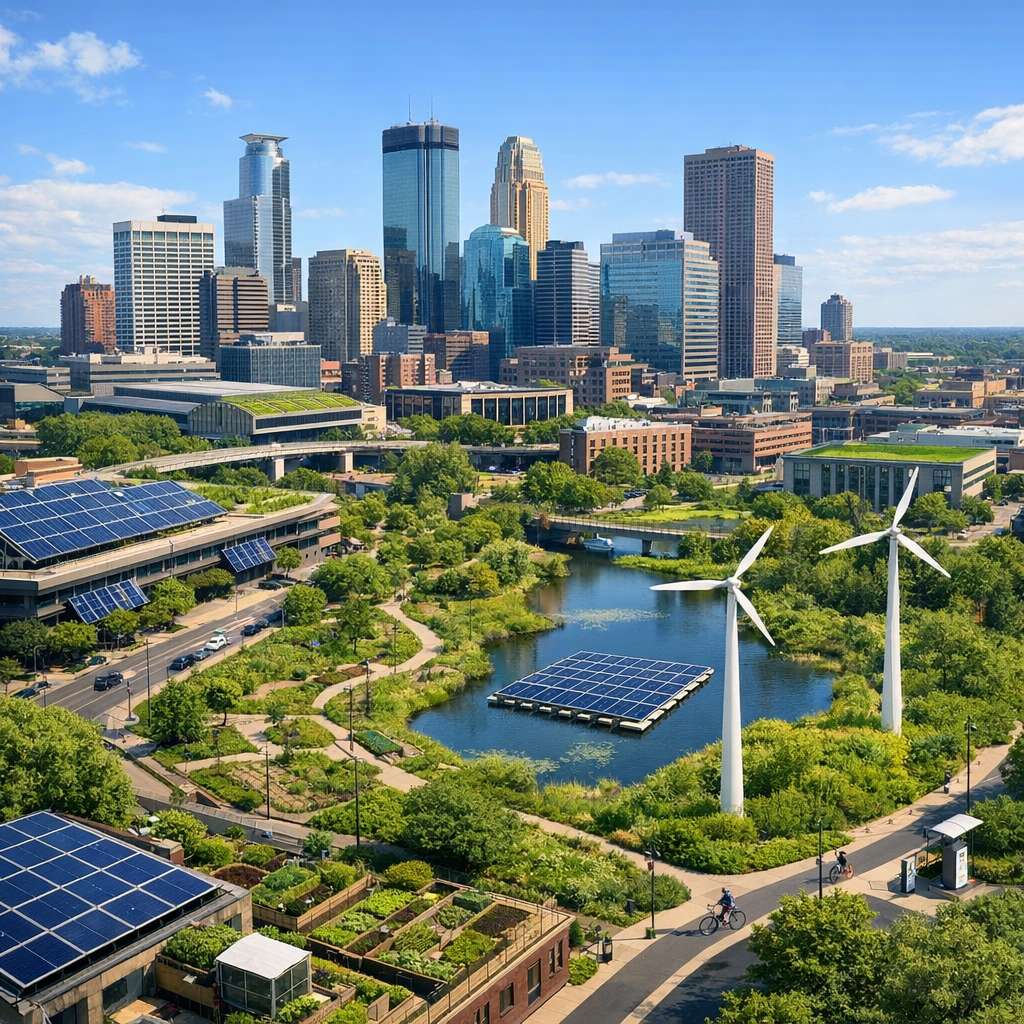
Minneapolis, known for its vibrant culture and picturesque lakes, is experiencing significant shifts due to climate change. These changes are not just environmental but also impact our daily lives, infrastructure, and local ecosystems.
Rising Temperatures and Altered Precipitation
Over the past decades, Minneapolis has seen a notable increase in average temperatures, particularly during winter months. Since 1970, winter temperatures have risen by approximately 5.3°F, more than twice the national average. This warming trend contributes to earlier snowmelt and more frequent freeze-thaw cycles, affecting infrastructure and natural habitats.
Additionally, the city is experiencing increased precipitation, leading to more intense and frequent rainstorms. These “mega-rains” can overwhelm stormwater systems, resulting in flooding and water quality issues. The Mississippi Watershed Management Organization highlights that increased runoff from intense storms carries higher pollutant loads into our rivers and lakes, threatening aquatic life and water quality.
Impacts on Infrastructure and Public Health
The combination of rising temperatures and heavier rainfall poses challenges to Minneapolis’s infrastructure. Stormwater systems, designed for past climate conditions, may struggle to handle the increased volumes, leading to urban flooding. Moreover, extreme heat events can strain energy systems and pose health risks, especially to vulnerable populations such as older adults and those with pre-existing health conditions.
City Initiatives for Climate Resilience
Recognizing these challenges, Minneapolis has implemented several initiatives to enhance climate resilience and sustainability:
- Climate Equity Plan: Adopted in 2023, this plan sets ambitious goals to significantly reduce climate pollution by 2030 and achieve carbon neutrality by 2050. It emphasizes equity, aiming to benefit all residents, particularly those in historically marginalized communities.
- Climate Legacy Initiative: Launched in 2024, this initiative allocates resources toward projects in communities most affected by climate change, focusing on green job creation, renewable energy adoption, and infrastructure improvements.
- Transportation Action Plan: This plan aims to reshape the city’s transportation system to address climate change by reducing greenhouse gas emissions through improved transit options, promoting walking and bicycling, and electrifying vehicle fleets.
These efforts reflect Minneapolis’s commitment to building a sustainable and resilient future for all its residents.
Community Involvement
Community engagement is vital in addressing climate change. Residents can participate by adopting energy-efficient practices, supporting local sustainability initiatives, and staying informed about city programs. Together, we can contribute to a healthier, more resilient Minneapolis.