

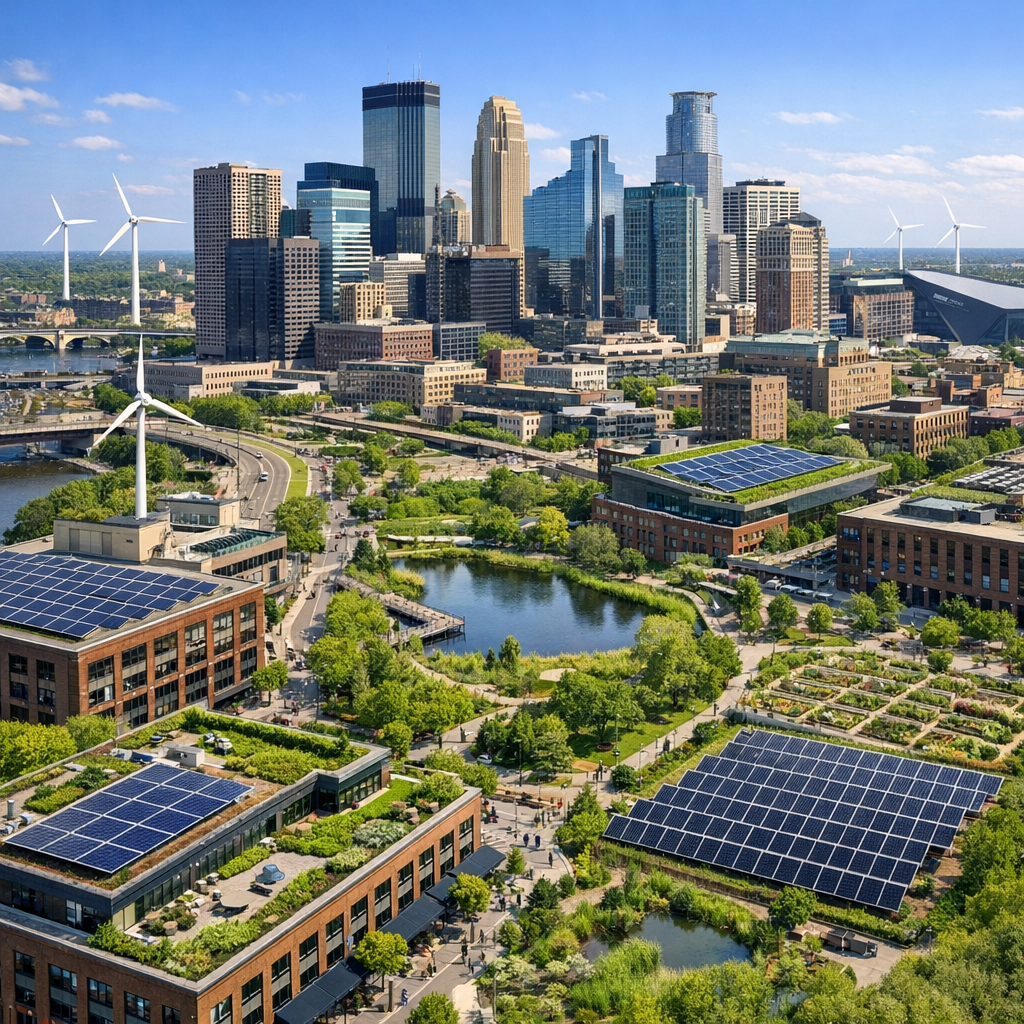
Climate change is no longer a distant concern; its effects are increasingly evident in Minneapolis. The city has experienced significant shifts in temperature and precipitation patterns, leading to various environmental and infrastructural challenges.
Rising Temperatures and Altered Precipitation
Since 1970, Minneapolis has seen a notable increase in average temperatures, with winter temperatures rising by approximately 5.3°F. This warming trend has resulted in more intense rainfall events and earlier snowmelt, contributing to increased flooding risks and water quality issues. The Mississippi Watershed Management Organization highlights that heavier rainfall leads to higher pollutant loads entering our waterways, adversely affecting aquatic life and overall water quality.
Infrastructure and Environmental Challenges
The city’s stormwater infrastructure, designed for past climate conditions, is now often overwhelmed by the volume of runoff from intense storms. This can lead to urban flooding and strain on public resources. Additionally, warmer temperatures and altered precipitation patterns threaten local ecosystems, including fish populations and wildlife habitats.
City Initiatives for Climate Resilience
In response to these challenges, Minneapolis has implemented several initiatives aimed at enhancing climate resilience and sustainability:
Climate Equity Plan
Adopted in 2023, the Climate Equity Plan sets ambitious goals to significantly reduce climate pollution by 2030 and achieve carbon neutrality by 2050. The plan emphasizes equitable solutions, prioritizing diverse communities and aiming to reduce utility bills while increasing green job opportunities.
Climate Legacy Initiative
Launched in 2024, the Climate Legacy Initiative allocates resources toward projects in communities most affected by climate change. This initiative focuses on creating green jobs, enhancing energy efficiency in homes and businesses, expanding the urban tree canopy, and promoting renewable energy adoption.
Transportation Action Plan
Recognizing that on-road transportation accounts for approximately 24% of the city’s greenhouse gas emissions, Minneapolis has set a goal to reduce automobile passenger miles by 38% to meet its 2050 emission reduction targets. This involves improving options for transit, walking, and bicycling, as well as rapidly electrifying vehicle fleets.
Community Involvement
Addressing climate change requires collective action. Residents can contribute by adopting energy-efficient practices, utilizing public transportation, participating in local sustainability programs, and staying informed about city initiatives. Engaging with community efforts not only helps mitigate climate impacts but also fosters a more resilient and connected Minneapolis.
By understanding the local effects of climate change and supporting city-led initiatives, we can work together to build a sustainable future for Minneapolis.