

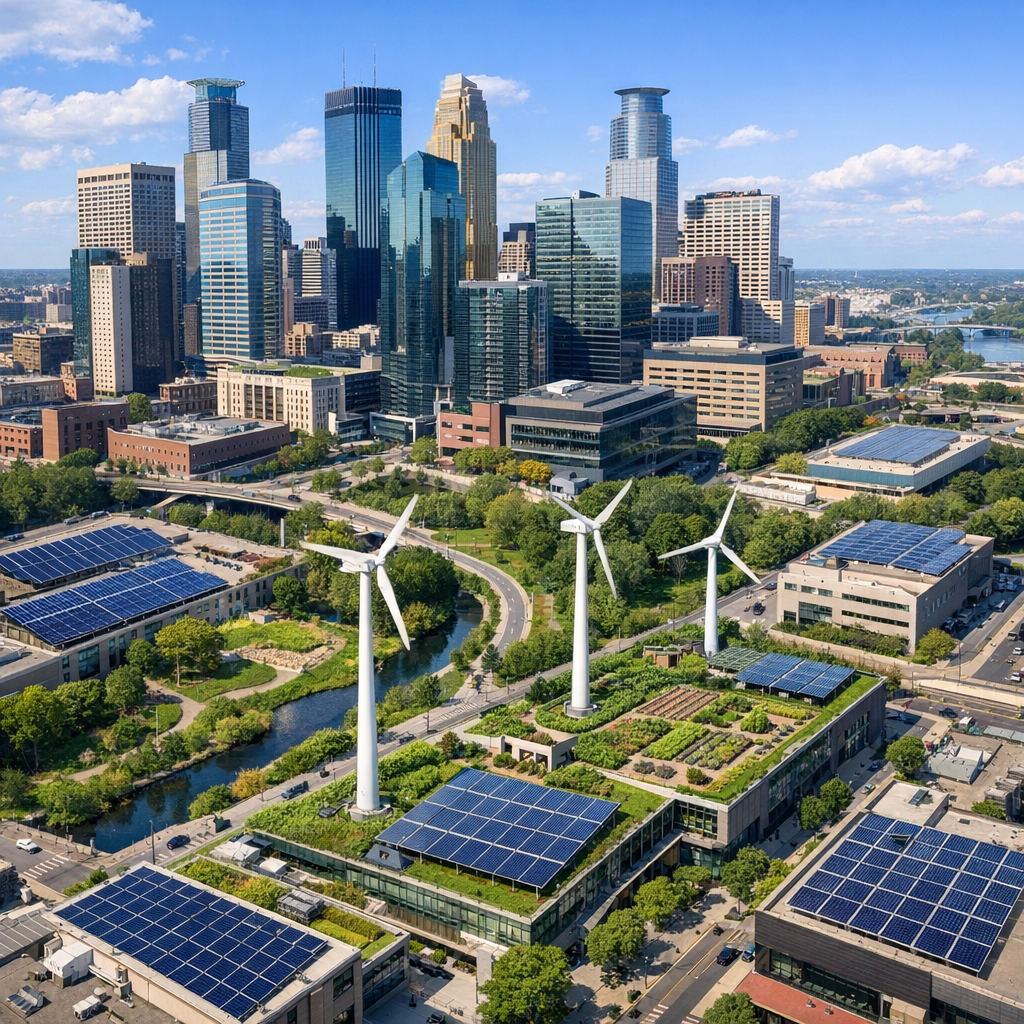
Climate change is no longer a distant concern; its effects are increasingly evident in Minneapolis. The city has experienced significant shifts in temperature and precipitation patterns, leading to various environmental and infrastructural challenges.
Rising Temperatures and Altered Precipitation
Since 1970, Minneapolis has seen a notable increase in average temperatures, with winter temperatures rising by approximately 5.3°F. This warming trend contributes to earlier snowmelt and more intense rainfall events, which can overwhelm the city’s stormwater infrastructure and increase the risk of flooding.
Impacts on Public Health and Infrastructure
The combination of higher temperatures and increased precipitation poses risks to public health, particularly for vulnerable populations. Extreme heat events can exacerbate respiratory and cardiovascular conditions, while flooding can lead to waterborne diseases and disrupt essential services.
City Initiatives for Climate Resilience
In response to these challenges, Minneapolis has implemented several initiatives aimed at enhancing climate resilience:
- Climate Equity Plan: This plan sets ambitious goals to reduce greenhouse gas emissions and promote environmental justice, aiming for carbon neutrality by 2050.
- Transportation Action Plan: Focused on reshaping the city’s transportation system, this plan seeks to reduce vehicle emissions by promoting public transit, biking, and walking.
- Climate Legacy Initiative: Launched in 2023, this initiative invests in projects that support green jobs, renewable energy, and an expanded tree canopy to mitigate climate impacts.
Community Involvement and Future Outlook
Community engagement is vital in addressing climate change. Residents can participate by adopting energy-efficient practices, supporting local sustainability programs, and staying informed about city initiatives. Through collective efforts, Minneapolis aims to build a resilient and sustainable future for all its inhabitants.