

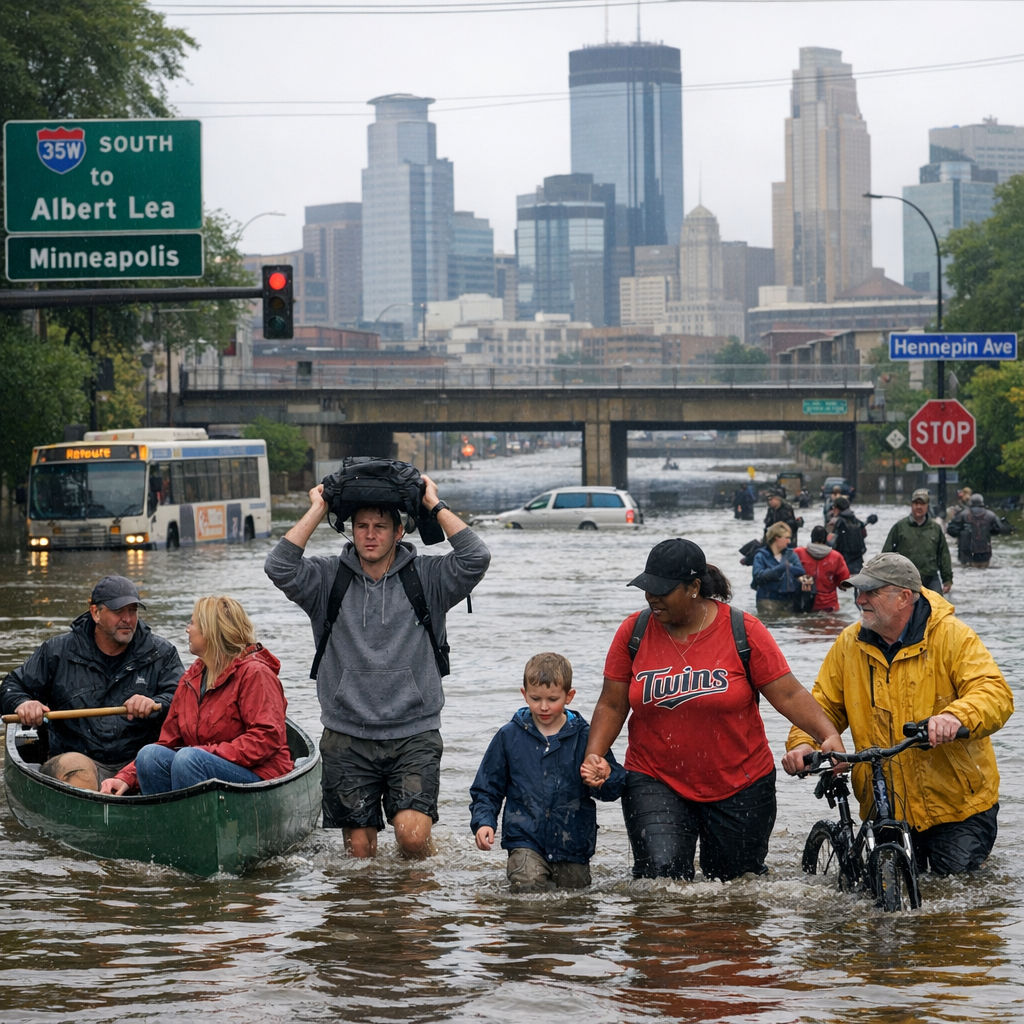
Climate change is no longer a distant concern; its effects are increasingly evident in Minneapolis. The city is experiencing warmer winters, increased precipitation, and more frequent extreme weather events, all of which pose challenges to our infrastructure, natural resources, and public health.
Rising Temperatures and Precipitation
Minneapolis has observed a significant uptick in average temperatures, particularly during winter months. This warming trend contributes to reduced ice cover on lakes and rivers, affecting local ecosystems and winter recreational activities. Additionally, the city faces heavier and more frequent rainfall events, leading to increased stormwater runoff and potential flooding. Such conditions strain our stormwater infrastructure, which was not designed to handle these intensified volumes, resulting in urban flooding and water quality issues. Learn more about climate change and stormwater impacts.
Health and Environmental Impacts
The health implications of climate change are profound. Warmer temperatures can exacerbate heat-related illnesses, particularly among vulnerable populations. Moreover, increased precipitation can lead to waterborne diseases and negatively impact air quality. The natural environment is also at risk; altered growing seasons and disrupted habitats threaten local flora and fauna, while warmer waters stress aquatic life in our lakes and rivers. Explore local climate change impacts.
City Initiatives and Adaptation Strategies
In response to these challenges, Minneapolis has developed comprehensive plans to mitigate and adapt to climate change. The Climate Equity Plan, adopted in 2023, sets ambitious goals to reduce greenhouse gas emissions and achieve carbon neutrality by 2050. This plan emphasizes environmental justice, aiming to support communities disproportionately affected by climate change. Key strategies include enhancing green infrastructure, promoting energy efficiency, and investing in renewable energy sources. Read more about the Climate Equity Plan.
Furthermore, the city is focusing on building climate-resilient communities by improving stormwater management systems, expanding urban tree canopies to mitigate heat islands, and fostering community engagement to ensure inclusive and effective adaptation measures. Discover policies for climate-resilient communities.
Community Involvement
Addressing climate change requires collective action. Residents can contribute by adopting sustainable practices such as reducing energy consumption, utilizing public transportation, and participating in local environmental initiatives. Staying informed and engaged with city programs ensures that our community remains resilient in the face of climate challenges.
By understanding the impacts of climate change and actively participating in adaptation efforts, Minneapolis can navigate these challenges and work towards a sustainable and equitable future for all its residents.