

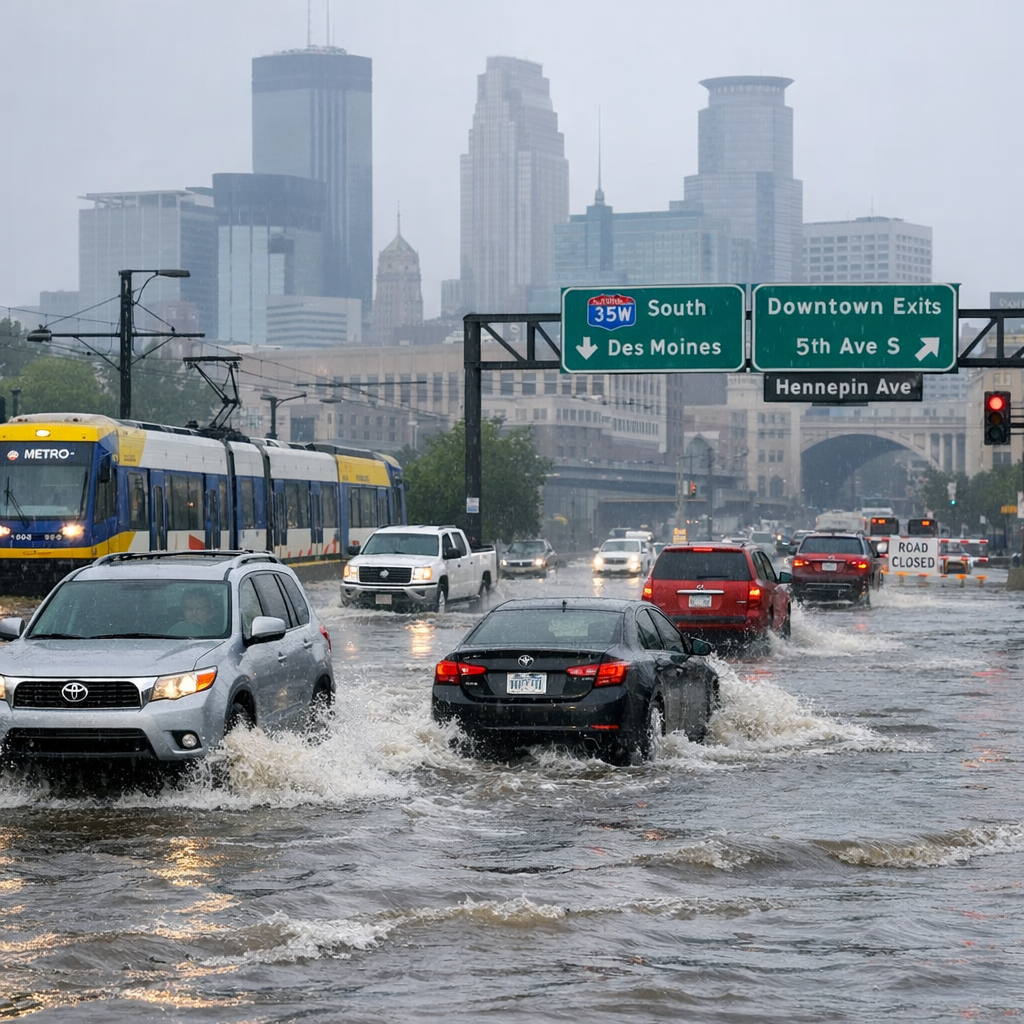
Climate change is no longer a distant concern; its effects are being felt right here in Minneapolis. The city is experiencing significant shifts in weather patterns, including warmer winters, increased precipitation, and more frequent extreme weather events. These changes pose challenges to our infrastructure, natural ecosystems, and the well-being of our communities.
Warming Winters and Increased Precipitation
Since 1970, winter temperatures in Minneapolis have risen by approximately 5.3°F, more than twice the national average. This warming trend leads to earlier snowmelt and disrupts local ecosystems. Additionally, the city has seen a rise in heavy rainfall events, resulting in increased stormwater runoff that can overwhelm our drainage systems and degrade water quality. Source
City Initiatives for Climate Resilience
In response to these challenges, Minneapolis has implemented several initiatives aimed at enhancing climate resilience:
- Climate Equity Plan: Adopted in 2023, this plan sets ambitious goals to significantly reduce climate pollution by 2030 and achieve carbon neutrality by 2050. It emphasizes equitable solutions that benefit all residents, particularly those in vulnerable communities. Source
- Climate Legacy Initiative: Launched in 2024, this initiative allocates resources toward projects in communities most affected by climate change, focusing on green job creation, renewable energy adoption, and expanding the urban tree canopy. Source
- Transportation Action Plan: Aims to reshape the city’s transportation system to address climate change by reducing greenhouse gas emissions from vehicles, promoting public transit, and encouraging walking and biking. Source
Community Involvement
Residents play a crucial role in building a climate-resilient Minneapolis. Participating in city programs, adopting energy-efficient practices, and supporting local sustainability initiatives are ways individuals can contribute to the city’s climate goals. Staying informed about local climate policies and engaging in community discussions can also help shape a sustainable future for Minneapolis.
By understanding the impacts of climate change and actively participating in mitigation and adaptation efforts, we can work together to ensure a resilient and thriving Minneapolis for generations to come.