

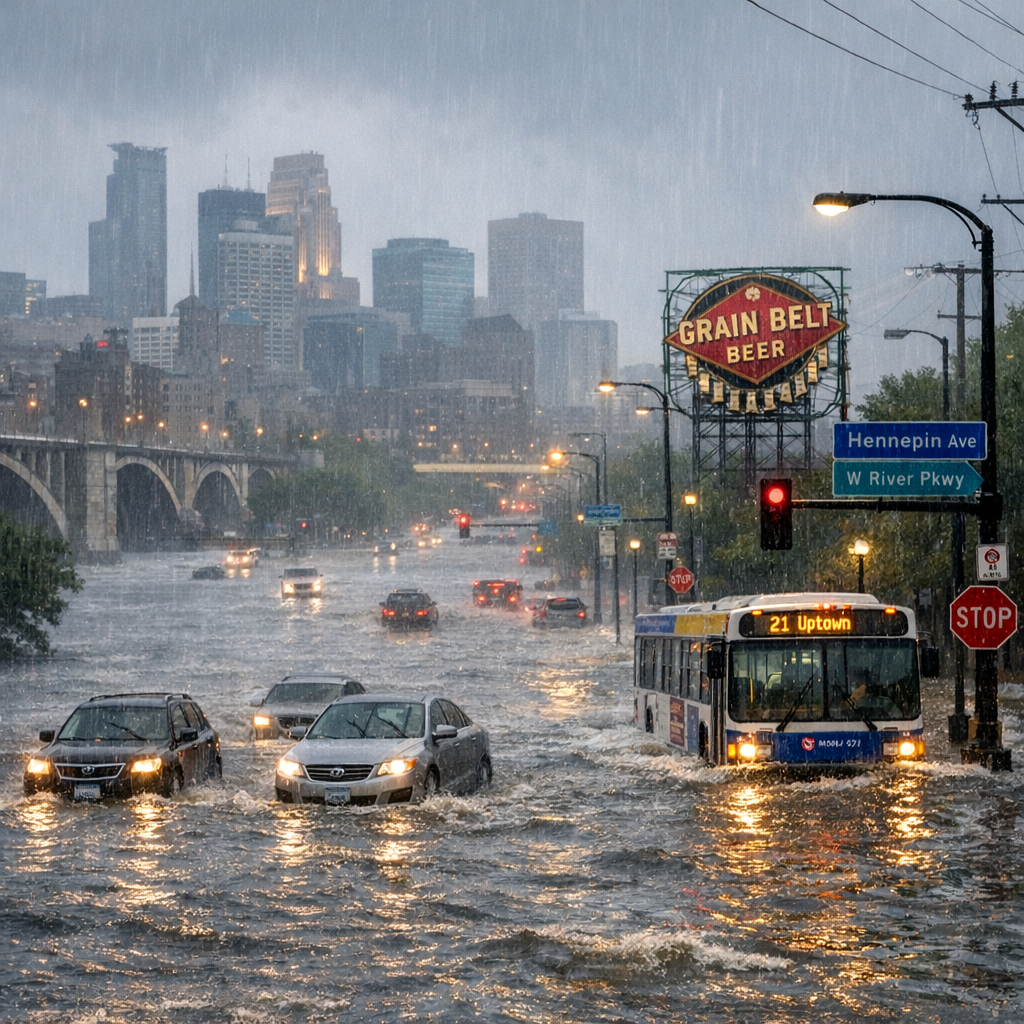
Climate change is no longer a distant concern; its effects are increasingly evident in Minneapolis. The city is experiencing warmer temperatures, increased precipitation, and more frequent extreme weather events, all of which pose challenges to our infrastructure, natural environment, and public health.
Rising Temperatures and Heat Risks
Minneapolis has observed a significant rise in average temperatures over recent decades. This warming trend contributes to more intense heatwaves, which can be particularly hazardous for vulnerable populations, including older adults and those with pre-existing health conditions. The urban heat island effect, where urban areas experience higher temperatures than their rural surroundings, exacerbates this issue. Efforts to expand the city’s tree canopy and incorporate green infrastructure aim to mitigate these heat risks.
Increased Precipitation and Flooding
The city has also seen a rise in heavy rainfall events, leading to increased stormwater runoff and a higher risk of flooding. Such events can overwhelm existing stormwater systems, resulting in property damage and environmental degradation. To address this, Minneapolis is investing in resilient infrastructure capable of managing larger volumes of stormwater and implementing green stormwater management practices.
Impacts on Natural Resources
Warmer temperatures and altered precipitation patterns affect local ecosystems. For instance, warmer waters in lakes and rivers can stress fish populations and disrupt aquatic habitats. Additionally, changes in climate can impact the health of urban forests and green spaces, which are vital for maintaining biodiversity and providing recreational opportunities for residents.
City Initiatives for Climate Resilience
Recognizing these challenges, Minneapolis has developed comprehensive plans to enhance climate resilience. The Climate Equity Plan, adopted in 2023, sets ambitious goals to reduce greenhouse gas emissions and promote environmental justice. Initiatives under this plan include expanding renewable energy use, improving energy efficiency in buildings, and increasing access to green jobs. The city is also focusing on equitable solutions to ensure that all communities, especially those historically marginalized, benefit from climate action efforts.
By understanding the specific impacts of climate change on Minneapolis and actively implementing adaptation strategies, the city aims to build a more resilient and sustainable future for all its residents.