

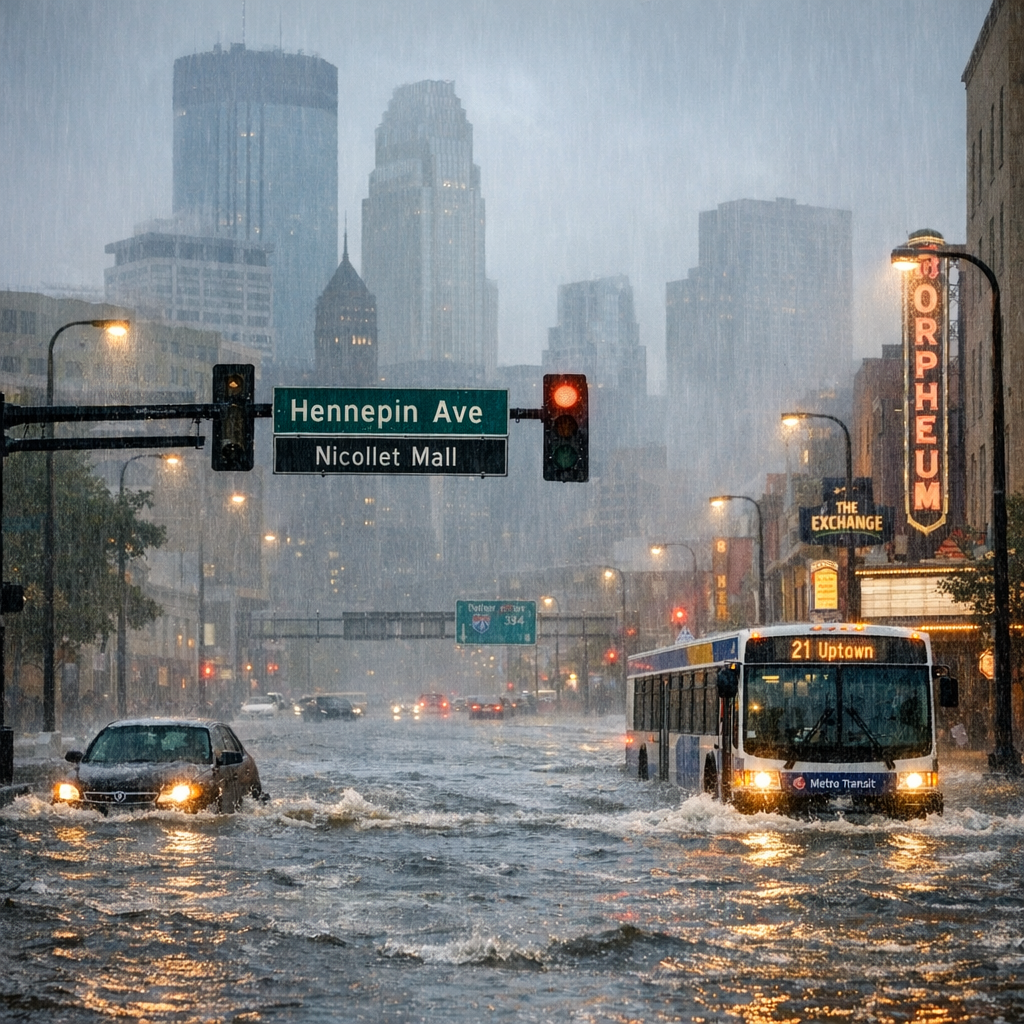
Climate change is no longer a distant concern; its effects are increasingly evident in Minneapolis. The city is experiencing warmer winters, more intense rainfall, and other environmental shifts that impact our daily lives.
Warming Winters and Increased Precipitation
Since 1970, winter temperatures in Minneapolis have risen by approximately 5.3°F, more than twice the national average. This warming trend leads to earlier snowmelt and more frequent freeze-thaw cycles, which can damage infrastructure and disrupt ecosystems. Additionally, the city has seen a significant uptick in heavy rainfall events, overwhelming stormwater systems and increasing the risk of flooding.
Impacts on Infrastructure and Natural Resources
Increased precipitation and warmer temperatures pose challenges to our urban infrastructure and natural resources. Stormwater systems, designed for past climate conditions, are often unable to handle the higher volumes of runoff from intense storms, leading to flooding. Moreover, warmer waters stress local lakes and rivers, affecting fish populations and water quality.
City Initiatives for Climate Resilience
Recognizing these challenges, Minneapolis has implemented several initiatives to enhance climate resilience. The Climate Equity Plan, adopted in 2023, aims to significantly reduce climate pollution by 2030 and achieve carbon neutrality by 2050. This plan emphasizes environmental justice, focusing on communities most vulnerable to climate impacts. Additionally, the Climate Legacy Initiative, launched in 2024, allocates resources to projects in communities that need it most, supporting green jobs and sustainable infrastructure.
Community Involvement and Future Outlook
Building a resilient Minneapolis requires community involvement. Residents can participate in city programs, adopt sustainable practices, and stay informed about climate initiatives. By working together, we can mitigate the impacts of climate change and create a sustainable future for all.