

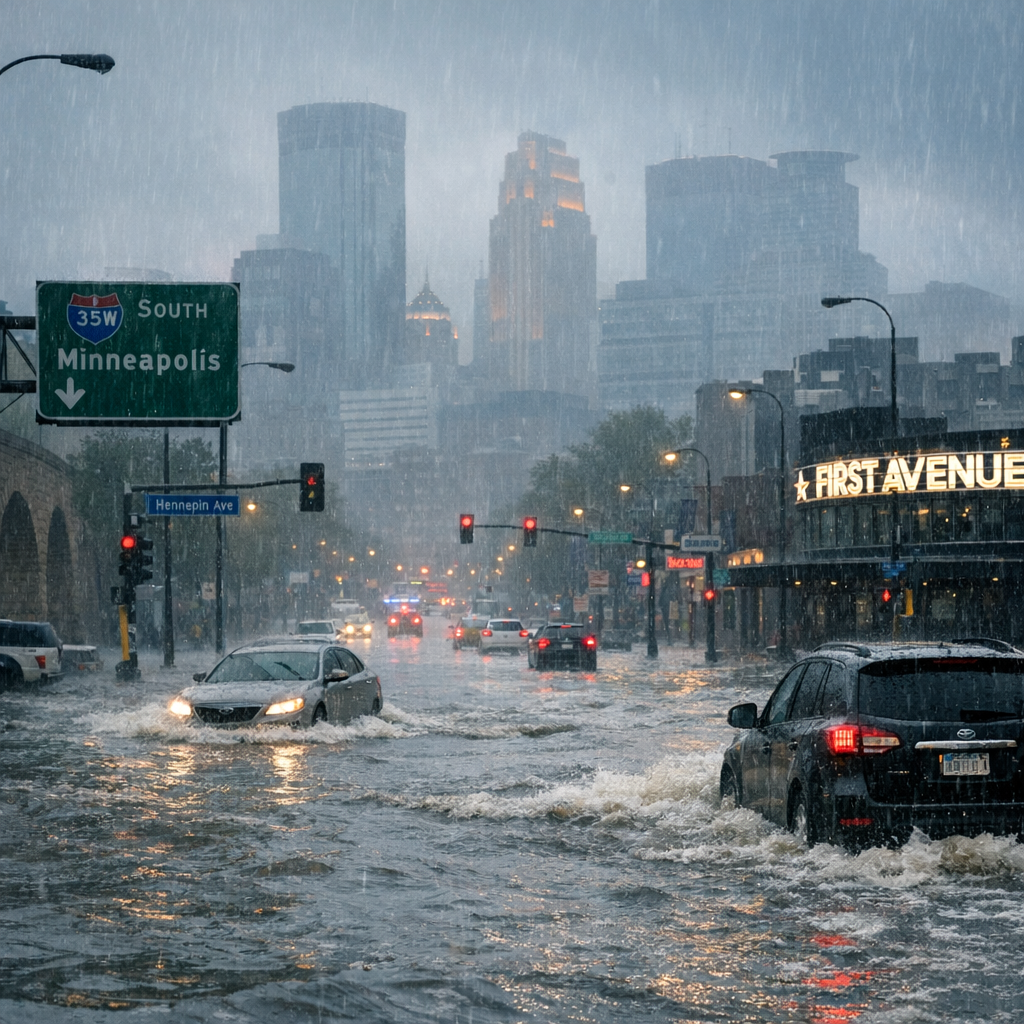
Climate change is no longer a distant concern; its effects are increasingly evident in Minneapolis. The city has experienced notable shifts in weather patterns, including warmer winters and more intense precipitation events. These changes have significant implications for our environment, infrastructure, and daily lives.
Rising Temperatures and Altered Precipitation
Since 1970, winter temperatures in Minneapolis have risen by approximately 5.3°F, more than double the national average. This warming trend contributes to earlier snowmelt and increased rainfall, leading to higher risks of flooding and stormwater management challenges. The Mississippi Watershed Management Organization highlights that intensified storms result in greater runoff, carrying pollutants into our waterways and threatening aquatic ecosystems.
Impacts on Infrastructure and Public Health
Our city’s infrastructure faces mounting pressure from these climatic changes. Stormwater systems, designed for past weather norms, often struggle to handle the volume from heavy downpours, resulting in urban flooding. Additionally, warmer temperatures can exacerbate heat-related health issues, particularly among vulnerable populations.
City Initiatives and Community Involvement
In response, Minneapolis has implemented several initiatives to mitigate and adapt to climate change. The Climate Equity Plan, adopted in 2023, aims to significantly reduce greenhouse gas emissions by 2030 and achieve carbon neutrality by 2050. This plan emphasizes environmental justice, focusing on communities disproportionately affected by climate change.
Furthermore, the Climate Legacy Initiative, launched in 2024, allocates resources to projects in communities most in need, promoting resilience and sustainability. These efforts include expanding green jobs, enhancing public transportation, and investing in renewable energy sources.
As residents, staying informed and engaged is crucial. Participating in community discussions, supporting local sustainability projects, and adopting eco-friendly practices can collectively contribute to a more resilient Minneapolis.
For more information on the city’s climate action plans and how you can get involved, visit the City of Minneapolis’s official website.