

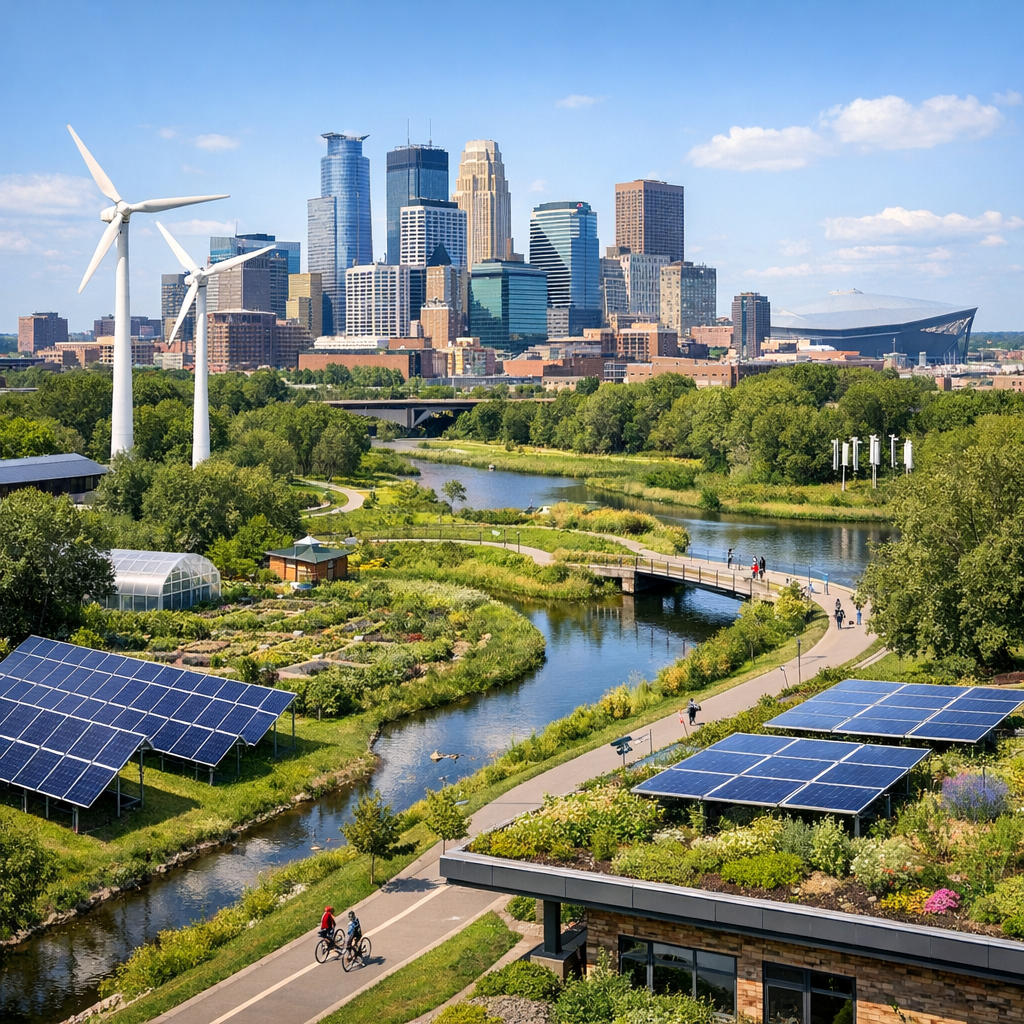
Climate change is no longer a distant concern; its effects are increasingly evident in Minneapolis. The city is experiencing warmer winters, increased precipitation, and more frequent extreme weather events. These changes have significant implications for our infrastructure, natural resources, and daily lives.
Rising Temperatures and Precipitation
Data indicates that Minnesota’s climate is warming rapidly, with notable increases in winter temperatures. This warming trend contributes to altered growing seasons and impacts local ecosystems. Additionally, the state has seen a rise in extreme precipitation events, leading to challenges such as flooding and stormwater management issues. Learn more about local climate impacts.
Infrastructure and Environmental Challenges
Increased stormwater runoff from more intense storms carries higher volumes of water and pollutants into our storm sewer system, ultimately affecting rivers and lakes. This not only degrades water quality but also stresses urban infrastructure designed for past climate conditions. Read about climate change and stormwater.
City Initiatives for Climate Resilience
Recognizing these challenges, Minneapolis has implemented several initiatives to enhance climate resilience. The Climate Equity Plan, adopted in 2023, sets ambitious goals to reduce greenhouse gas emissions and achieve carbon neutrality by 2050. This plan emphasizes environmental justice, aiming to support communities disproportionately affected by climate change. Explore the Climate Equity Plan.
Furthermore, the city is investing in green infrastructure, expanding the urban tree canopy, and promoting renewable energy adoption to mitigate climate impacts and foster a sustainable future. Learn about creating a climate legacy.
As residents, staying informed and engaged with these initiatives is crucial. By understanding the local impacts of climate change and supporting city efforts, we can collectively work towards a more resilient Minneapolis.