

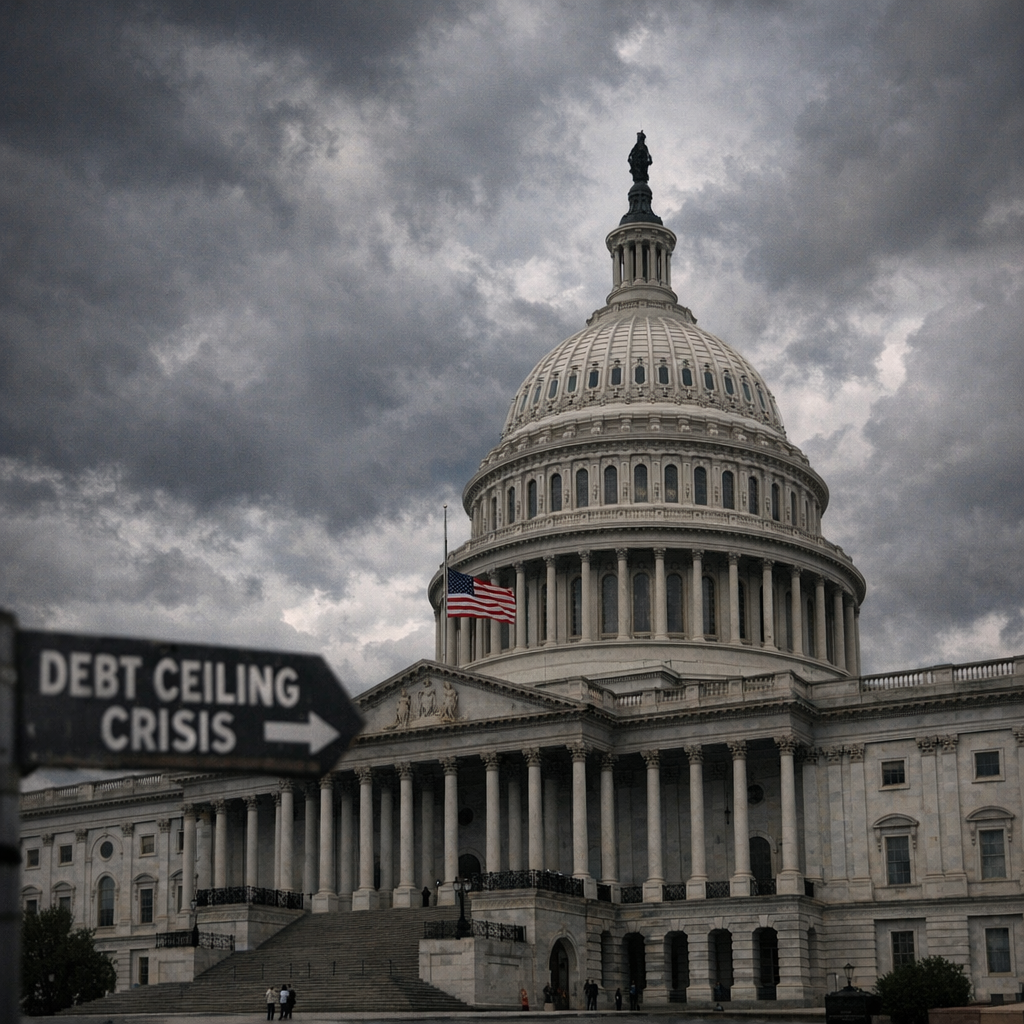
The U.S. debt ceiling is a legislative limit on the amount of national debt that can be incurred by the Treasury, effectively capping how much money the federal government may borrow to meet its existing legal obligations. This includes funding for programs such as Social Security, Medicare, military salaries, interest on the national debt, and tax refunds.
Economic Implications
When the debt ceiling is reached, the Treasury cannot issue any more Treasury bonds, bills, or notes, which are essential tools for financing government operations. This situation can lead to a government shutdown, delayed payments to federal employees and contractors, and potential default on debt obligations. Such outcomes can negatively impact the nation’s credit rating, increase borrowing costs, and create uncertainty in global financial markets.
Political Debates
The debt ceiling often becomes a focal point for political debate. Some policymakers argue for raising the limit to ensure the government can meet its obligations and maintain economic stability. Others advocate for spending cuts and fiscal reforms before agreeing to an increase, expressing concerns over the growing national debt and its long-term sustainability.
In recent years, these debates have intensified, leading to temporary measures and short-term extensions. The lack of a long-term solution continues to be a contentious issue in Congress, reflecting broader disagreements over fiscal policy and government spending priorities.
Looking Ahead
As discussions continue, it’s crucial for citizens to stay informed about the debt ceiling and its implications. Understanding this complex issue can help individuals grasp the broader economic challenges facing the nation and the importance of responsible fiscal management.