

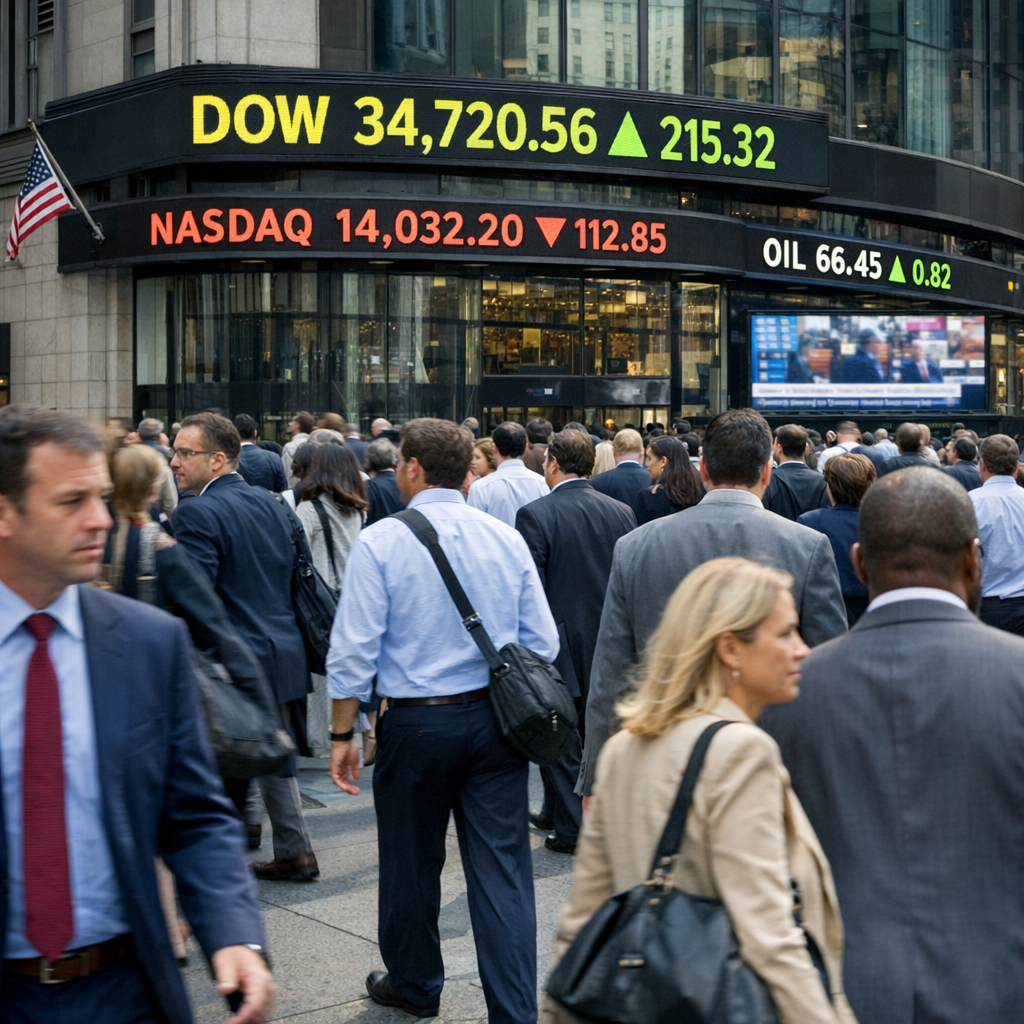
The United States economy is a complex and dynamic system, influenced by various factors including consumer behavior, government policies, and global events. Understanding its current state requires examining key economic indicators such as Gross Domestic Product (GDP), employment rates, and inflation.
Gross Domestic Product (GDP)
GDP measures the total value of goods and services produced within a country and serves as a primary indicator of economic health. In the first quarter of 2026, the U.S. economy grew at an annualized rate of 2%, rebounding from a 0.5% increase in the previous quarter. This growth was bolstered by increased federal spending and a surge in investments, particularly in the artificial intelligence sector. However, the ongoing conflict in Iran has introduced uncertainties, especially concerning energy prices and inflation. Source
Employment Rates
The labor market is another critical component of the economy. As of April 2026, the unemployment rate stood at 4.3%, reflecting a stable job market. Notably, March saw an addition of 185,000 jobs, indicating resilience in employment despite external challenges. Source
Inflation Trends
Inflation, the rate at which the general level of prices for goods and services rises, affects purchasing power and cost of living. In March 2026, the Consumer Price Index (CPI) increased by 0.9%, primarily due to an energy shock stemming from geopolitical tensions. This uptick has raised concerns among Federal Reserve officials, who are closely monitoring the situation to inform monetary policy decisions. Source
In summary, while the U.S. economy shows signs of growth and stability in employment, external factors such as international conflicts and energy price fluctuations pose challenges. Staying informed about these indicators is essential for understanding the broader economic landscape.